
Citrus hybrids
Citrus hybr.
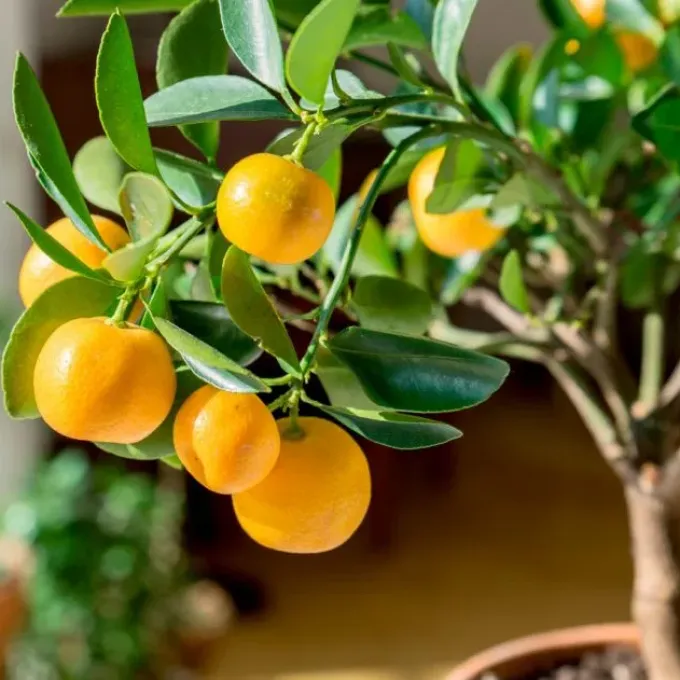
Description
Growing requirements
Citrus hybrids (Citrus hybr.) are a diverse group of plants resulting from interspecific and intergeneric hybridization within the Rutaceae family. These crops are intentionally developed to combine the desirable traits of parents, such as frost tolerance, improved sweetness, and unique aroma profiles.
These plants thrive in subtropical and tropical climates, requiring abundant solar radiation for optimal photosynthetic activity. A temperature range between 20°C and 30°C during the growing season is ideal, while protection from frost is essential for most commercial varieties to ensure plant longevity.
High-quality soil with excellent drainage is a fundamental requirement for citrus cultivation. They prefer slightly acidic, well-aerated soils, as poorly drained media can lead to root asphyxiation and the proliferation of soil-borne pathogens like Phytophthora.
Agricultural management involves a consistent nutrition program, focusing on macro-elements like nitrogen, phosphorus, and potassium, supplemented by essential micronutrients. Irrigation management should be precise, following the soil moisture levels to avoid both water stress and saturation.
Citrus hybrids are versatile in their economic application, serving as a primary source for fresh produce markets, high-quality juice manufacturing, and the extraction of essential oils used in culinary and medicinal products.
Main diseases and pests
Major insect pests affecting citrus crops include scale insects, spider mites, and citrus whiteflies. These pests cause damage by feeding on sap and excreting honeydew, which leads to the growth of sooty mold, negatively impacting fruit quality and plant health.
Fungal diseases, including anthracnose and gummosis, pose significant risks to productivity. Implementing a strategic fungicide rotation and ensuring proper canopy airflow through pruning are effective methods to mitigate the spread of these fungal infections.
Viral diseases like citrus tristeza virus remain a constant concern, requiring the use of virus-free certified rootstocks and scions. Strict quarantine and hygiene protocols are essential to prevent the introduction and spread of systemic diseases within the orchard.
Nutrient deficiencies, particularly manifesting as iron or magnesium chlorosis, are common issues in improper soil pH conditions. Foliar application of chelated nutrients serves as a quick corrective measure to maintain the health of the plant's foliage.
Integrated Pest Management (IPM) practices, such as the introduction of beneficial predatory insects and the use of pheromone traps, are increasingly favored over chemical treatments to maintain a balanced and sustainable orchard environment.