
Bergamot orange
Citrus aurantium L.
Description
Growing requirements
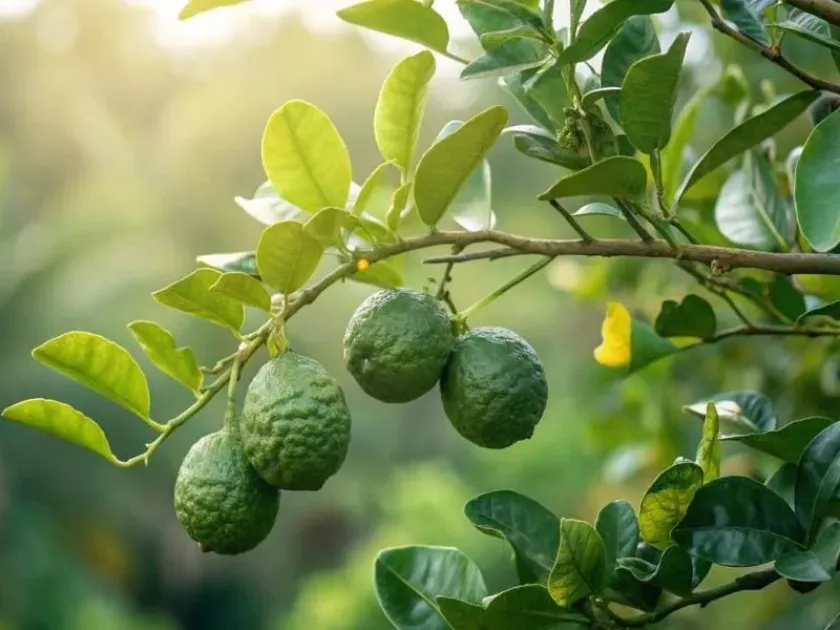
Bergamot orange (Citrus aurantium L.) is a perennial evergreen tree belonging to the Rutaceae family. It is a distinct citrus hybrid, likely originating from a cross between the bitter orange and the lemon or citron, valued primarily for the aromatic essential oil found in its rind.
The plant typically thrives in a Mediterranean climate, with the vast majority of commercial production centered in the Calabria region of Italy. It requires moderate temperatures and significant sunlight, being highly sensitive to frost and extreme heat, which can jeopardize both fruit development and tree health.
Optimal soil conditions for bergamot cultivation include well-draining, slightly acidic to neutral loam. Proper drainage is essential, as the roots are prone to rot if exposed to prolonged moisture saturation or poorly ventilated soil structures, common in heavy clay environments.
Agricultural success depends on adequate moisture management through irrigation, particularly during the flowering and fruit-setting stages. Trees should be shielded from strong, dry winds, which can strip the canopy and cause premature fruit drop, significantly reducing the annual yield potential.
Routine maintenance includes structural pruning to ensure the inner canopy receives sufficient light and airflow. Balanced fertilization, focusing on nitrogen during early growth and potassium as the fruit matures, is necessary to support the high metabolic demands of the tree throughout the season.
Yield
The primary economic output of the bergamot tree is its essential oil, extracted through cold-pressing the peel of the fruit. This oil is highly sought after by the global fragrance and food industries, particularly for flavoring Earl Grey tea and as a top note in high-end perfumery.
The fruit itself is pear-shaped and turns from a deep green to a vibrant yellow as it reaches maturity. While the flesh is quite sour and bitter, making it unsuitable for raw consumption, the zest and essential oils remain the cornerstone of its commercial value in the international market.
A healthy, mature orchard can achieve consistent yields when managed with precision agricultural techniques. Productivity is measured in terms of total fruit mass and the quality of the oil extracted, which is highly dependent on the timing of the harvest relative to the fruit's ripeness.
Harvesting is usually performed manually to prevent skin damage, as any bruising can negatively affect the final quality of the extracted oils. Post-harvest, fruits must be processed quickly to minimize the loss of volatile aromatic compounds that define the bergamot's unique profile.
As consumer demand for natural ingredients grows, research into enhancing orchard productivity through grafting and improved irrigation infrastructure remains a key priority for growers aiming to maintain a competitive edge in the global agricultural market.
Main diseases and pests
Bergamot trees are susceptible to several citrus-specific pests, including scale insects, whiteflies, and spider mites. These pests can cause significant damage by feeding on foliage, which eventually weakens the tree and facilitates the transmission of various viral and bacterial pathogens.
Fungal diseases like citrus tristeza virus or root rot are major concerns for producers. Effective management involves rigorous monitoring and the use of resistant rootstocks, which have been developed through years of intensive horticultural research to protect the crop from soil-borne threats.
Maintaining a clean orchard environment is essential for preventing the spread of disease. Regular sanitation, including the removal of dead branches and fallen fruit, helps in reducing the habitat for harmful insects and the spread of pathogenic spores during periods of high humidity.
Integrated Pest Management (IPM) strategies are increasingly used to minimize reliance on broad-spectrum chemical pesticides, favoring biological controls and selective treatments. This approach not only protects the yield but also aligns with modern environmental sustainability standards.
- Implementation of pest monitoring systems.
- Use of disease-resistant grafting rootstocks.
- Regular sanitation of the orchard floor.