
Afraegle paniculata
Afraegle paniculata
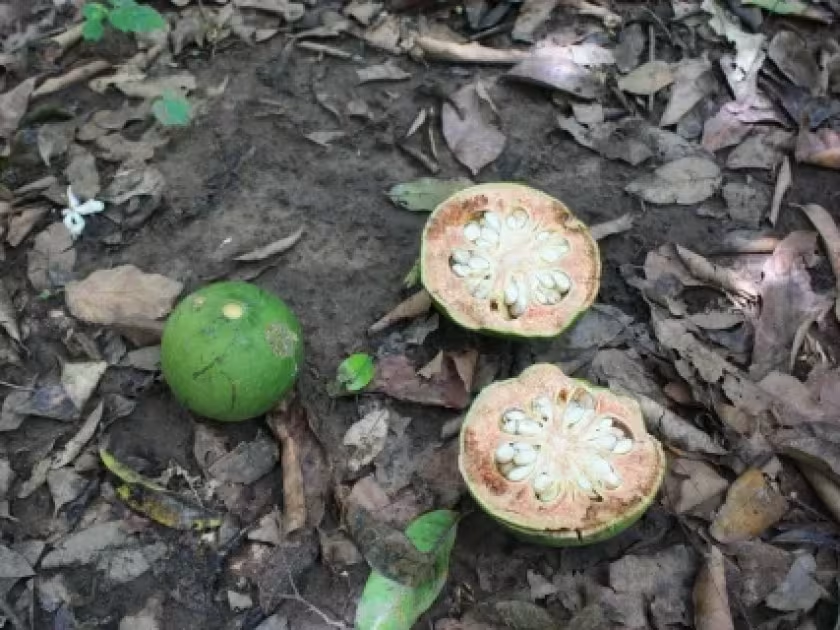
Description
Growing requirements
Afraegle paniculata is an evergreen tree belonging to the Rutaceae family, native to the tropical regions of Africa. It is a distinct species characterized by its glossy foliage and its biological affinity with other citrus relatives.
The plant thrives in warm, humid tropical climates. It requires a stable temperature range, as it is highly sensitive to cold stress and frost, which can easily damage its woody structures and impede development.
In terms of soil requirements, this species favors deep, fertile, and well-drained soils. Proper soil aeration is vital for the health of its root system, as it does not tolerate waterlogging, which often leads to root decay in humid habitats.
Cultivation practices involve selecting locations with significant solar exposure, as mature trees need full light for optimal flowering and fruiting. Adequate spacing is necessary to allow for the natural spread of the crown, which can become quite large.
Economic uses for the species include the utilization of its dense wood, which is valued for its durability. Additionally, the fruit is traditionally recognized for its nutritional and aromatic properties in local communities within its native range.
Main diseases and pests
Root rot is the most significant threat to Afraegle paniculata, typically induced by poor drainage and excessive irrigation. Maintaining the right balance of soil moisture is essential for preventing the proliferation of soil-borne pathogens.
Pests such as scale insects and spider mites commonly infest the foliage, sucking nutrients and weakening the plant's structural integrity. These infestations often lead to premature leaf drop and reduced physiological vigor.
Fungal diseases, including leaf spots, may occur in high-humidity environments with poor airflow. Maintaining tree hygiene and ensuring proper canopy ventilation are critical strategies for mitigating the impact of these diseases.
Integrated pest management, including regular monitoring and the use of natural predators, is recommended to manage insect populations. Chemical interventions should be approached with caution to avoid damaging the plant's delicate growth stages.
Preventative care is the best defense, including the removal of infected branches and ensuring optimal growing conditions. By maintaining a clean environment around the base of the tree, many common threats can be effectively minimized.