
Wendlandia glabrata
Wendlandia glabrata
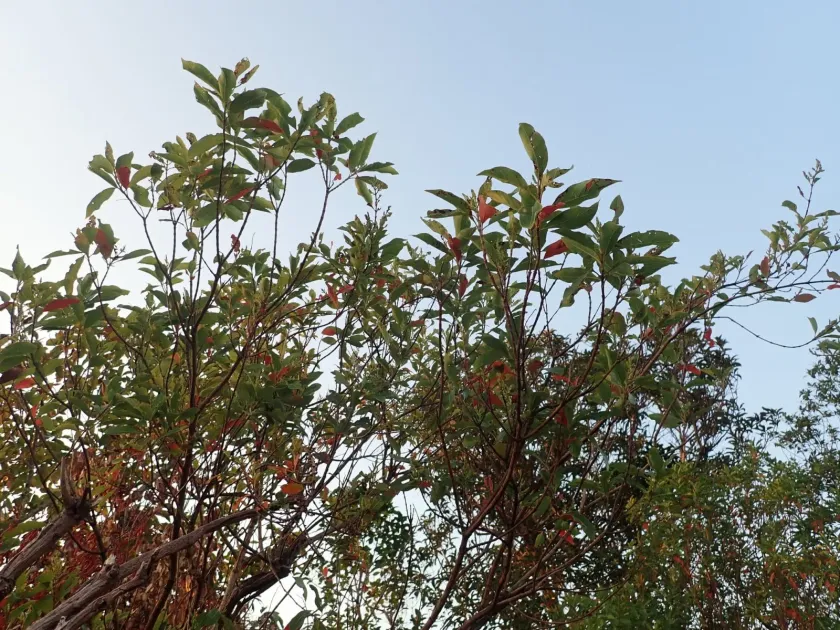
Description
Growing requirements
Wendlandia glabrata is a notable member of the Rubiaceae family, typically found in the tropical regions of Southeast Asia. This species is recognized for its botanical stability and its adaptation to the humid environment of tropical forest edges.
For successful cultivation, the plant requires a warm climate with minimal temperature fluctuations throughout the year. It performs best in environments that mimic its native tropical habitat, requiring temperatures between 22°C and 30°C for optimal growth.
The soil requirements focus on high organic matter content combined with excellent drainage properties. A slightly acidic to neutral pH level is ideal for nutrient absorption and preventing the development of trace element deficiencies in the foliage.
Watering frequency should be balanced with the transpiration rate of the plant; waterlogged conditions are detrimental and must be avoided. Regular misting or high humidity levels are recommended to prevent the drying of leaf tips.
Fertilization protocols involve the use of balanced NPK fertilizers during the growing season to support the development of the woody framework. Pruning should be performed after the main growth spurt to encourage lateral branching and improve overall structure.
Main diseases and pests
The health of Wendlandia glabrata is often challenged by fungal pathogens that thrive in high-humidity settings. Leaf spot diseases are the most common issue, necessitating careful observation of the canopy density to ensure adequate airflow.
Pest management is primarily directed against sap-sucking insects such as aphids and mealybugs. These pests can rapidly colonize young stems, causing structural deformation and weakening the plant's natural resistance.
In indoor or greenhouse environments, spider mites represent a constant threat if relative humidity falls below the recommended threshold. Implementing biological controls, such as predatory mites, is an effective strategy for long-term pest regulation.
Root rot is a critical threat often caused by improper watering techniques or heavy, poorly draining soils. If signs of yellowing leaves appear, immediate inspection of the root system and adjustment of the moisture regime are required.
Sanitation practices, including the removal of fallen leaves and infected tissue, are vital to breaking the disease cycle. Using clean equipment when pruning prevents the transmission of systemic pathogens within the greenhouse population.