
Vangueria madagascariensis
Vangueria madagascariensis J.F. Gmel.
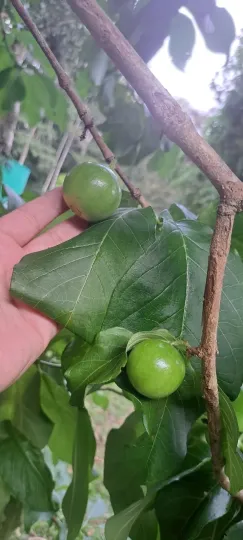
Description
Growing requirements
Vangueria madagascariensis is a prominent tropical tree belonging to the Rubiaceae family. Known for its edible fruits, this species often reaches a height of 5 to 10 meters and features dense, spreading foliage.
Originating from tropical Africa and Madagascar, the species has naturalized in various tropical zones worldwide. It is well-adapted to warm, humid climates where it serves both as an orchard tree and an ecological stabilizer.
The tree thrives in well-drained, fertile soils, preferring loamy textures that hold sufficient moisture without waterlogging. Neutral to slightly acidic soil pH is ideal for optimal nutrient absorption.
Cultivation requires plenty of sunlight to maximize fruit production. While the tree shows moderate drought tolerance once established, consistent soil moisture during the flowering and fruit-setting stages is critical.
In terms of management, annual pruning is recommended to maintain a manageable shape, improve air circulation within the canopy, and prevent the development of fungal pathogens in humid environments.
Main diseases and pests
Common threats to the crop include various fruit-piercing insects, particularly fruit flies, which can compromise the quality of the harvest. Integrated Pest Management (IPM) strategies, including pheromone traps, are often employed.
Fungal infections, such as leaf spots or fruit rots, are major risks during periods of heavy rainfall. Maintaining adequate tree spacing and proper pruning helps minimize the humidity trapped within the leaves.
Sap-sucking pests like aphids and scale insects occasionally infest the tender new growth. These are typically managed using neem oil or biological control agents like predatory ladybirds.
Nematode infestations in the root zone can weaken young seedlings. Soil solarization or the use of organic amendments like compost can help suppress these soil-borne pests effectively.
A comprehensive approach to plant health, focusing on early detection and good sanitation, is essential for maintaining the productivity of the orchard and ensuring long-term tree vitality.
Harvesting
The harvest focuses on the globular, apple-like fruits, which reach a diameter of about 5 cm. They are prized for their sweet-tart flavor and are an essential component of the local diet in their native regions.
Picking occurs as fruits ripen, shifting from green to a deep brown or tan color. Harvesting is strictly manual to prevent bruising, as the ripe fruit is relatively soft and sensitive to rough handling.
Beyond fresh consumption, the fruits are processed into jams, beverages, and traditional sweets. The pulp is rich in nutrients, contributing to its popularity as an agroforestry crop in rural communities.
Yields can be substantial, especially when trees are planted in clusters or managed with regular organic fertilization. A single mature tree can provide a steady supply of fruit for several weeks during the harvest season.
The economic potential of Vangueria madagascariensis is growing as interest in underutilized tropical crops increases, promoting sustainable agricultural practices in developing tropical regions.