
Vangueria lasiantha
Vangueria lasiantha
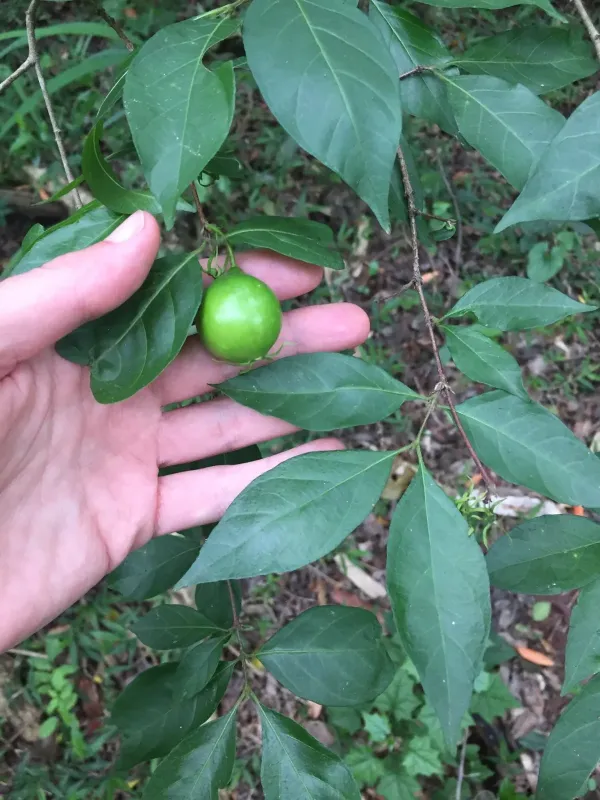
Description
Growing requirements
Vangueria lasiantha is a shrub or small tree belonging to the Rubiaceae family. This species is native to tropical African regions and is well-adapted to savanna-like habitats where it plays a role in local food security.
The crop thrives in warm, tropical climates and requires full sun to partial shade for optimal photosynthesis. It is generally undemanding but prefers deep, well-drained loamy soils rich in organic matter to sustain its metabolic functions.
Climatic requirements involve a clear distinction between wet and dry seasons. While it exhibits drought tolerance, regular moisture supply during the flowering and fruit-setting stages is critical for achieving high yields.
Agrotechnical management involves careful weeding during the initial development phases to prevent competition from invasive grasses. Periodic pruning helps to maintain a manageable canopy size and improves fruit distribution.
The plant is highly regarded for its resilience to local pathogens, making it a sustainable choice for smallholder orchards in tropical zones where synthetic inputs are limited.
Yield
The yield of Vangueria lasiantha is influenced by tree maturity and seasonal rainfall patterns. Once the trees reach their peak reproductive age, they produce generous quantities of fleshy, edible fruits.
The nutritional profile of the fruit includes essential vitamins and sugars, making it a valuable harvest for local markets. A single healthy tree can provide a sustainable food source throughout the peak ripening months.
Cross-pollination is essential for high yield levels, as the flowers depend on local insect populations. Maintaining biodiversity around the orchard area is a proven method to boost fruit set significantly.
Proper nutrient management through organic mulching around the drip line enhances the fruit size and flavor quality. This practice also helps retain moisture in the soil during periods of low rainfall.
Yield management requires careful observation of the flowering cycle. Proactive measures to protect the tree from excessive wind during the fruit-set period can prevent premature loss of young fruits.
Main diseases and pests
Like many members of the Rubiaceae family, Vangueria lasiantha can be susceptible to specific fungal pathogens if humidity remains too high for extended periods, especially during fruit ripening.
Common pests include sap-sucking insects and localized fruit flies that may cause damage to the developing harvest. Integrated pest management strategies are recommended to mitigate these risks effectively.
Root rot caused by poor soil drainage remains a major threat to tree longevity. Establishing the crop on raised beds or slopes can help prevent waterlogging and subsequent root-related diseases.
Defoliating insects can occasionally affect young saplings, necessitating manual removal or the application of mild botanical insecticides to protect the foliage.
Monitoring the plant health for signs of nutrient deficiency or chlorosis is essential, as these conditions often make the tree more vulnerable to secondary infections and opportunistic pests.
Harvesting
Harvesting should be conducted when the fruit reaches its peak color, indicating full maturity. Because the fruits are prone to bruising, they should be picked individually with care.
The harvest season often spans several weeks due to the sequential ripening of fruits on different parts of the canopy. Frequent checks allow farmers to select only the most mature fruits for the highest quality.
Post-harvest management is crucial; the fruits should be stored in cool, shaded, and well-ventilated areas to slow down the senescence process and maintain nutritional density.
For long-term storage, drying or processing into preserves is a traditional and effective method to minimize post-harvest losses in tropical environments.
Tools used for harvesting should be cleaned and disinfected to prevent the transmission of pathogens between trees, ensuring the long-term health of the entire orchard.