
Singaporandia macrophylla
Singaporandia macrophylla
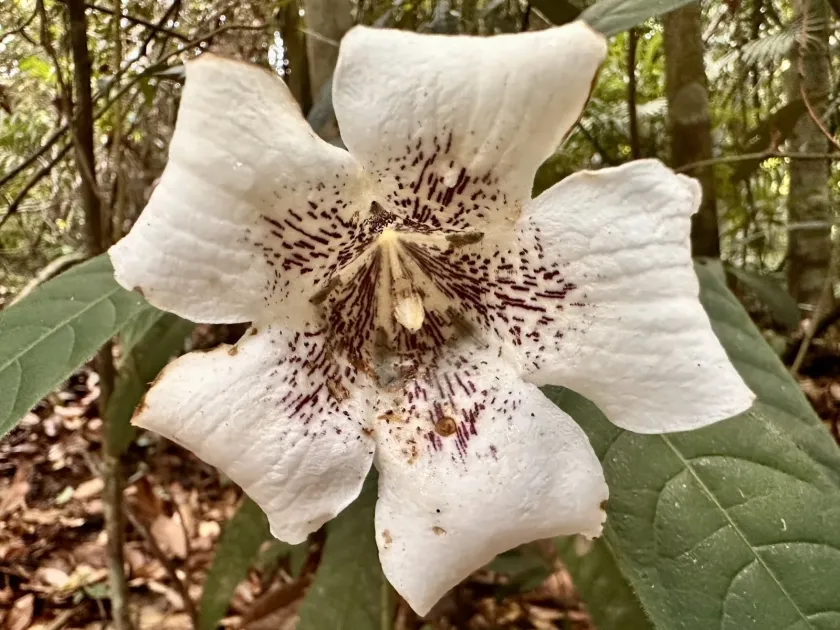
Description
Sowing dates
Singaporandia macrophylla requires strict adherence to sowing dates, which are linked to the stabilization of consistently high night temperatures. In industrial conditions, sowing is carried out after the soil has fully warmed up to 18–20 degrees Celsius.
The optimal period for starting the vegetation cycle is the end of the spring season when the risk of late frosts is minimized. Early sowing in cold soil leads to the death of the embryo and the development of root rots.
Sowing is carried out at a depth of no more than 2–3 centimeters to ensure rapid seed germination. The planting density must ensure sufficient ventilation for the broad leaf blades.
For faster emergence of seedlings, pre-soaking of seeds in growth stimulants is recommended. Once uniform seedlings appear, thinning is mandatory to optimize the nutrient area for each individual specimen.
Repeat sowing on the same area is not recommended due to specific nutrient uptake patterns, so the crop requires strict adherence to classical crop rotation rules.
Growing requirements
This crop belongs to a family that prefers tropical and subtropical climatic zones with high air humidity. For proper growth, the plant requires an intensive light regime without the direct impact of scorching midday sun rays.
The soil substrate must possess high water permeability and a neutral acidity level. Heavy clay soils are strictly unsuitable for cultivation due to the high risk of moisture stagnation and root rot.
The crop is extremely demanding regarding regular irrigation, especially during periods of active vegetative mass accumulation. Drying out of the root ball leads to deformation of the large leaves and a reduction in the overall viability of the crop.
Complex mineral fertilizers should be applied fractionally, with a predominance of nitrogen components in the early stages of development. During the active growth phase, it is vital to maintain a balance of microelements to prevent chlorosis.
Agronomy also includes regular inter-row cultivation to ensure oxygen access to the root system, which is especially relevant on dense soil structures.
Yield
The yield of Singaporandia macrophylla directly depends on adherence to temperature regimes and the timeliness of fertilization. Under intensive cultivation, the crop shows consistently high levels of biological mass.
Expected harvest volumes vary depending on the agro-climatic zone and the level of mechanization in the cultivation process. Experienced agronomists note the importance of shaping the correct bush architecture to increase productivity.
In protected ground conditions, it is possible to achieve maximum yield indicators by precisely controlling the microclimate. This allows for several commercial batches to be harvested within a single full vegetation season.
The main criterion for evaluation is the output of marketable products per hectare of cultivated area. With proper care, yield indicators remain stable throughout the entire production cycle.
Yield potential is also limited by the genetic characteristics of the variety and the quality of the seed stock used for sowing. Adherence to planting density remains a critical factor influencing the final result.
Main diseases and pests
Typical pests for this crop include Lepidoptera representatives, which attack the juicy leaf blades. Regular monitoring allows for the prevention of mass insect infestations in the early stages.
Fungal infections pose the greatest threat under excessive moisture and poor ventilation of the plot. The development of powdery mildew is often triggered by sharp fluctuations in daily temperatures and high humidity.
In the fight against phytopathogens, preventive treatment with sulfur or copper-based preparations plays a key role. It is important to perform sanitary pruning of affected areas to prevent the spread of spores throughout the crop mass.
Root rots arise from systematic violations of the irrigation regime and the use of acidified soils. Systemic fungicides applied in strict accordance with regulations are used for control.
Timely disinfection of tools and equipment used when working with plants significantly reduces the risk of infectious disease transmission between crops.
Harvesting
Harvesting is carried out when the leaves reach their maximum size and characteristic intense color. It is important to avoid over-ripening, as this negatively affects the quality of the commercial product.
The harvesting process is carried out in the morning hours, after the dew has evaporated, to minimize the loss of tissue turgor. The use of mechanized means requires caution to avoid damaging the fragile parts of the plant.
After harvesting, the products must undergo a primary sorting and grading stage according to quality standards. Storage of the harvest is carried out in facilities with controlled temperature and humidity levels.
For long-distance transportation, it is important to use ventilated packaging that prevents the leaf mass from overheating. Proper cooling after harvest allows for an extended shelf life.
Plant residues remaining after harvesting are subject to mandatory disposal or composting to prevent the accumulation of pathogenic flora in the soil for the following year.