
Virginia strawberry
Fragaria virginiana
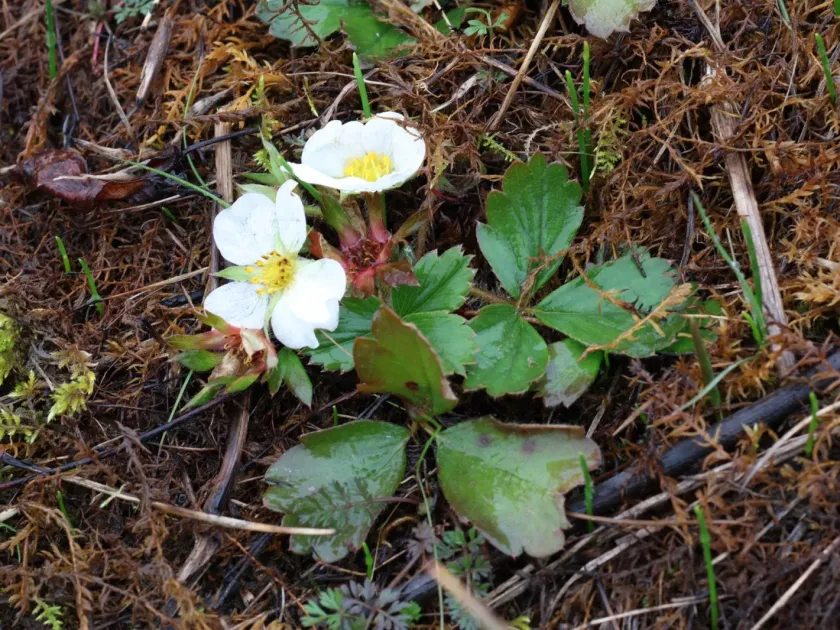
Description
Sowing dates
Fragaria virginiana, commonly known as the Virginia strawberry, is a perennial herbaceous plant belonging to the Rosaceae family and is a key ancestor of the modern garden strawberry.
The plant spreads rapidly through stolons (runners), which allow it to establish dense colonies in suitable habitats, making it easy to propagate vegetatively.
For seed-based propagation, a period of cold stratification is essential to break dormancy and ensure high germination rates when sown in early spring.
When transplanting nursery-grown starts, it is best to place them in well-prepared soil in early spring or late summer to allow for strong root establishment.
Due to its vigorous spreading nature, it is important to provide sufficient spacing between initial plantings to avoid overcrowding as the plants expand.
Growing requirements
This species is highly adaptable and known for its exceptional cold hardiness, thriving in regions with long, harsh winters and varied summer temperatures.
It prefers well-drained, slightly acidic soils rich in organic matter. While it tolerates various soil types, avoid waterlogged areas as they lead to root rot.
The plant thrives in full sun to partial shade; while full sun encourages higher fruit yields, it can survive and fruit well in woodland edges.
Consistent moisture is required, especially during the fruit development stage, although established plants can tolerate occasional short dry spells.
Mulching with organic straw or wood chips is beneficial, as it retains moisture, suppresses weeds, and keeps the developing berries clean.
Yield
Compared to commercial strawberry cultivars, the yield of Virginia strawberry is lower, with smaller fruits that have a unique, intense flavor profile.
The berries are typically bright red, sweet, and highly aromatic, making them prized for breeding programs aimed at improving hardiness and flavor in garden varieties.
The harvest season generally occurs in early-to-mid summer, providing an early crop that is often gathered from the wild or small-scale garden patches.
With proper care and adequate fertilization, the plant produces numerous inflorescences, ensuring a steady, albeit small, production of fruit each year.
The berries are highly sought after for fresh consumption and are prized for their quality in culinary applications like preserves and jams.
Main diseases and pests
Fragaria virginiana is naturally more resistant to many fungal diseases than standard garden strawberries, contributing to its resilience in natural landscapes.
However, it can be susceptible to the strawberry mite and occasional aphid infestations, which can stunt plant growth and reduce overall vigor.
Proper air circulation through regular pruning of old foliage helps prevent powdery mildew during periods of high humidity and rainfall.
Birds are the most common challenge for gardeners, as they are highly attracted to the sweet fruit, often necessitating the use of netting during harvest.
- Use crop rotation to prevent soil-borne pathogens.
- Encourage beneficial insects to manage aphid populations naturally.
Harvesting
Harvesting is performed manually when the berries reach full maturity, evidenced by a deep red color and the characteristic sweet fragrance of the species.
Since the fruits are delicate, it is best to harvest them in the cool morning hours to minimize physiological stress and prolong shelf life after picking.
The berries should be gathered in shallow containers to prevent bruising, as their small size and soft texture make them susceptible to pressure damage.
Immediate consumption or processing is recommended, as the wild-type berries do not have the long post-harvest life of thicker-skinned hybrid varieties.
Consistent daily picking during the peak season ensures that no fruit becomes overripe on the stem, maintaining the highest possible quality of the harvest.