
Finnish whitebeam
Karpatiosorbus hybrida
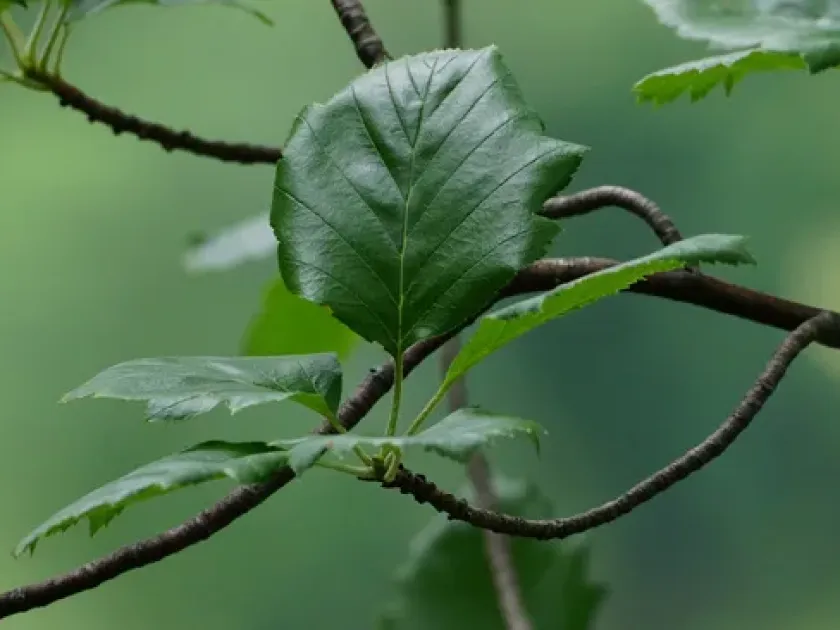
Description
Growing requirements
Finnish whitebeam (Karpatiosorbus hybrida) belongs to the Rosaceae family. It is a distinctive hybrid species, highly valued in horticulture for its attractive foliage and ornamental fruits, which also hold culinary significance.
The tree thrives in temperate climates and is known for its excellent cold hardiness. It prefers full sun locations but can tolerate partial shade, making it a versatile choice for various landscape designs and garden layouts.
Soil requirements involve well-drained, fertile substrates with a neutral pH. The tree performs best in loam or sandy-loam soils where moisture levels remain consistent without becoming waterlogged, as poor drainage is a common issue for root health.
Standard cultivation practices include regular mulching of the root zone to retain moisture and suppress weeds. Pruning should be focused on removing dead or crossing branches to maintain an open canopy, which promotes better air circulation and light penetration.
In terms of usage, Finnish whitebeam serves both as a decorative tree and a functional fruit-bearing crop. The berries are often harvested for preserves and jellies, while the tree's overall structure contributes to aesthetic landscape biodiversity.
Main diseases and pests
Key pests include aphids and various leaf-eating caterpillars that can damage the tree during the early growing season. Effective pest management strategies involve regular monitoring and the use of eco-friendly insecticidal soaps if infestations occur.
Fungal diseases like rust and scab are the most common phytopathological issues. These are primarily managed through preventative fungicide applications in the spring and by ensuring the canopy is not too dense, which prevents excess moisture retention.
Bacterial fire blight represents a serious threat in some regions, necessitating careful sanitation practices. Tools should be disinfected between prunings, and infected plant parts must be removed and destroyed immediately to stop the spread.
Young trees are also susceptible to physical damage by rodents during winter. Protecting the trunks with wire mesh or specialized tree guards is a standard and highly recommended procedure for young plantations to prevent bark stripping.
Soil nutrient management is essential for long-term health. A balanced approach to fertilization, ensuring the tree receives adequate potassium and phosphorus, strengthens the plant's natural defense systems against both pathogens and environmental stress.