
Bristol whitebeam
Karpatiosorbus bristoliensis
Description
Growing requirements
The Bristol whitebeam (Karpatiosorbus bristoliensis) is a rare deciduous tree belonging to the Rosaceae family. Native to a very restricted area around Bristol in the United Kingdom, it is recognized as a significant botanical specimen often preserved in arboretums.
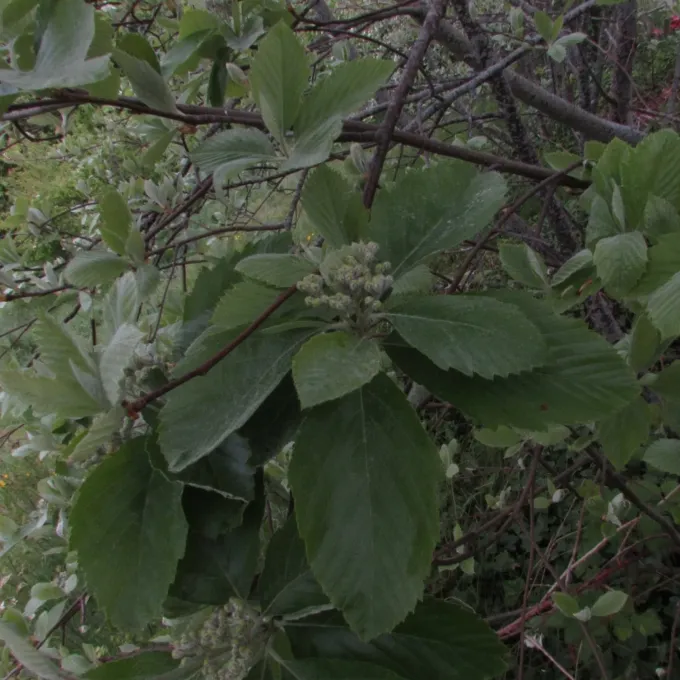
Botanically, this species is known for its elegant growth habit and dense foliage. The leaves are distinctively serrated with a pubescent underside that gives the canopy a shimmering, silver appearance, which is highly appreciated in landscape design for its aesthetic value.
Cultivation requires well-drained, fertile soil, ideally with a neutral or slightly acidic pH balance. The tree prefers a sunny or partially shaded environment where it is sheltered from excessive, prolonged winds that could dry out its foliage prematurely.
Regarding climate, it is well-adapted to the mild oceanic conditions of temperate zones. While it can withstand typical seasonal fluctuations, it thrives best in environments where extremes of frost and summer drought are minimized, making it suitable for temperate garden settings.
Maintenance involves consistent moisture management, especially during the establishment phase of young trees. Routine maintenance also includes light sanitary pruning during the early spring to ensure the structural integrity of the tree and remove any deadwood.
Main diseases and pests
Common threats to the Bristol whitebeam include fungal diseases such as powdery mildew, which often develop when foliage remains damp for long periods. Ensuring good airflow within the canopy is the primary method of preventing such outbreaks.
Insect pests, including aphids and various leaf-eating larvae, can cause damage to new growth. Regular visual inspections are necessary to identify the early onset of infestations before they lead to widespread defoliation of the specimen.
Fire blight is a major concern for plants within the Rosaceae family. It is essential to strictly maintain sanitary practices, including the sterilization of pruning tools, to prevent the transmission of bacteria between trees in the garden.
Root rot caused by stagnant water or compacted soil can significantly weaken the tree's health. Improving soil drainage and aeration is a crucial preventative measure against subterranean pathogens and moisture-related stress.
Integrated pest management (IPM) strategies, which prioritize biological controls and minimal chemical intervention, are recommended for maintaining the long-term health and vitality of the Bristol whitebeam in botanical collections.