
Karpatiosorbus subcuneata
Karpatiosorbus subcuneata
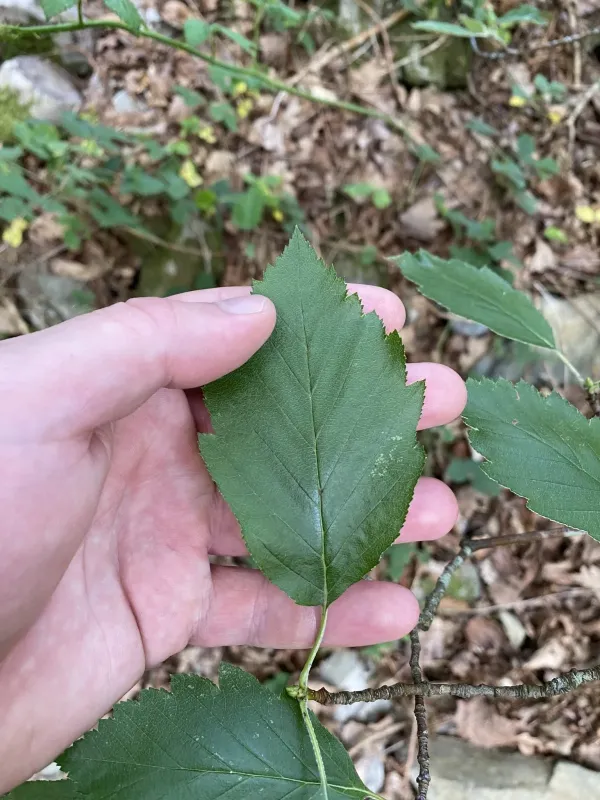
Description
Growing requirements
Karpatiosorbus subcuneata is a distinct fruit-bearing tree species belonging to the Rosaceae family. This taxon is recognized for its hybrid origin, resulting from natural crosses between Sorbus and Crataegus lineages, which manifests in its unique vegetative and reproductive features.
Native to specific regions within Central Europe, this species is well-adapted to temperate climate zones. It thrives in locations that offer a balance of sun exposure and moderate humidity, which are essential for both optimal growth and the proper maturation of the fruits.
In terms of edaphic requirements, the tree performs best in fertile, well-drained loamy soils. It is sensitive to waterlogged conditions, making proper soil structure and efficient drainage management a priority for successful orchard establishment and long-term vitality.
The cultural management involves standard pruning practices to maintain tree health and ensure light penetration into the inner canopy. Regular mulching of the root zone helps preserve soil moisture and protects the root system from excessive temperature fluctuations.
Economically, the species serves as a valuable resource for niche fruit production, with its produce being suitable for artisanal food processing. Beyond its fruit utility, it is increasingly appreciated in landscape architecture for its aesthetic appeal and ecological resilience.
Main diseases and pests
The health of Karpatiosorbus subcuneata can be compromised by common fungal diseases such as powdery mildew and various leaf spot pathogens. Maintaining high hygiene standards in the orchard, including the removal of infected debris, is vital.
Pest pressure from aphids and fruit-boring insects requires careful monitoring throughout the season. Integrated pest management strategies are recommended to maintain ecological balance while protecting the fruit harvest from premature degradation.