
Japanese kerria
Kerria
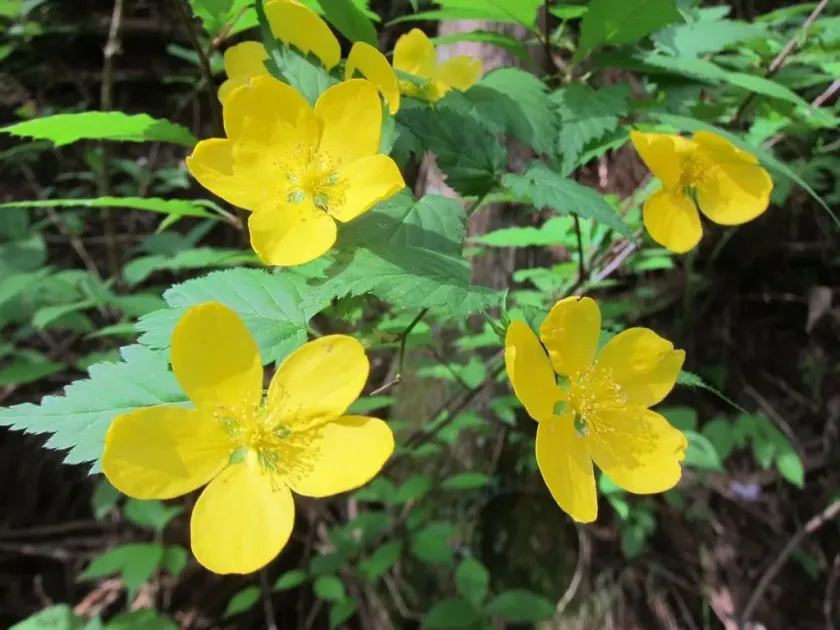
Description
Growing requirements
Japanese kerria (Kerria japonica) is a deciduous shrub belonging to the Rosaceae family. It is widely cultivated for its vibrant, golden-yellow double or single flowers that bloom profusely in the spring, providing a striking visual effect in garden settings.
Native to the mountains of China and Japan, this plant thrives in woodland margins and areas with moist, well-draining soil. Its adaptability makes it a popular choice for various temperate climates, though it prefers locations sheltered from harsh winter winds and intense mid-day sun.
The ideal soil conditions for Kerria involve high organic content and consistent moisture levels. While it can tolerate a variety of soil types, including slightly acidic or neutral ones, heavy clay soils require amendment with organic matter to improve aeration and prevent root rot.
Regarding climate, the plant exhibits cold hardiness up to USDA zone 5 or 6, depending on the specific cultivar. It is essential to maintain consistent soil moisture during the growing season, as drought stress can lead to diminished foliage quality and lower flower production.
Agronomic maintenance centers on pruning. Because flowers develop on the previous season's growth, pruning should be conducted immediately after the bloom cycle. This encourages the development of new, healthy shoots which will serve as the foundation for the following year's flowering season.
Main diseases and pests
Japanese kerria is generally regarded as a robust plant with few serious disease issues. However, poor drainage or excessively humid conditions can sometimes lead to root rot or fungal leaf spots, which are best managed by ensuring proper planting site selection.
Pest pressures are typically minimal but can include aphids and spider mites during periods of prolonged drought. Monitoring the underside of leaves for these pests and maintaining proper plant vigor through fertilization and watering are the most effective management strategies.