
Sarcomphalus obtusifolius
Sarcomphalus obtusifolius
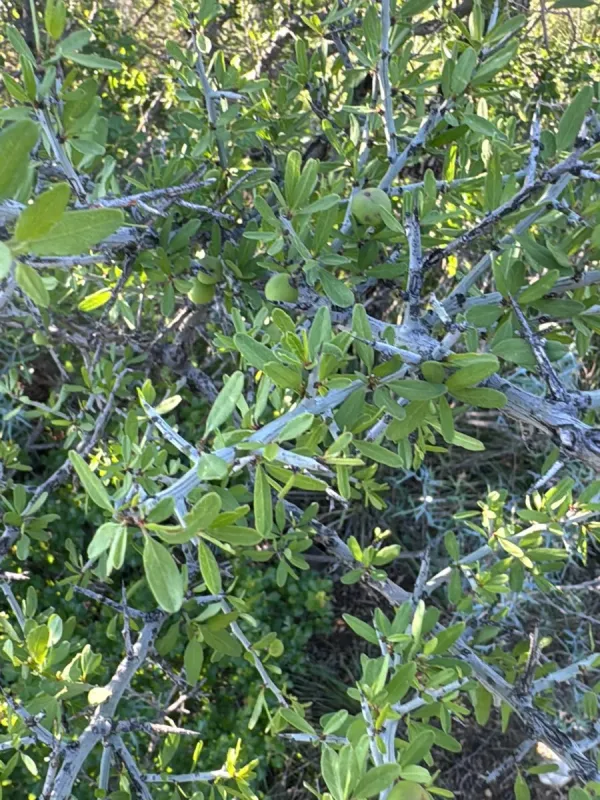
Description
Sowing dates
Sarcomphalus obtusifolius, native to the Gran Chaco region, is a member of the Rhamnaceae family. It is recognized for its adaptation to semi-arid environments.
Seeds of this species have a hard coat, requiring mechanical or chemical scarification to improve germination rates in a nursery setting.
Sowing should be performed in a well-draining substrate during the warmer months, as the species thrives in high-temperature conditions.
Seedlings need protection from extreme solar radiation and competitive weeds during the first months of growth to establish a strong root system.
Planting density is determined by the specific goal of the plantation, whether for timber production or ecological land restoration.
Growing requirements
This species is highly drought-tolerant, making it an excellent candidate for reforestation in dry climates with scarce annual rainfall.
It prefers sunny, open environments and does not tolerate competition from larger, denser vegetation that may shade the canopy.
Soil requirements are relatively flexible; however, the tree performs best in sandy or alluvial soils with a neutral to slightly alkaline pH.
Excessive humidity or waterlogging must be avoided, as the root system is highly sensitive to hypoxia, which can lead to quick decay.
Thermal stability is a key trait, allowing the plant to withstand extreme heat cycles common in its native distribution areas.
Yield
The primary economic value of Sarcomphalus obtusifolius lies in its exceptionally dense and rot-resistant wood, used in traditional carpentry.
The fruits serve as an essential food source for livestock and local wildlife, providing a sustainable fodder component during dry seasons.
The tree provides significant ecosystem services, including soil stabilization and organic matter enrichment, which enhance land productivity.
Secondary products include bark extracts used for tanning leather and potentially beneficial compounds for pharmaceutical research.
Sustainable harvesting of timber ensures long-term profitability while maintaining the integrity of the surrounding agro-forest ecosystem.
Main diseases and pests
Small mammals and rodents are the primary pests for young plantations, often causing physical damage to the bark and stems of developing trees.
Fungal infections can occur in improperly managed plantations where air circulation is poor or humidity levels remain consistently high.
Various coleopteran pests may feed on the foliage, necessitating integrated pest management strategies to keep damage below economic thresholds.
Preventative measures, such as maintaining weed-free zones around the trunk, are essential to reduce the pressure from common soil-borne pathogens.
Monitoring for signs of stress is crucial, as early detection allows for timely corrective actions in the cultivation cycle.
Harvesting
The harvesting of fruits is usually done manually when the pods reach full maturity and display their characteristic color profile.
Timber extraction is conducted based on maturity, with selective logging practices preferred to maintain plantation sustainability.
Post-harvest handling of fruits involves cleaning and controlled drying to prevent mycotoxin development and ensure storage stability.
Wood processing requires slow air-drying techniques to stabilize the material and reduce the risk of structural cracking or warping.
Effective harvest management is vital for meeting quality standards in industrial applications and maximizing the yield per unit of land.