
Sarcomphalus joazeiro
Sarcomphalus joazeiro
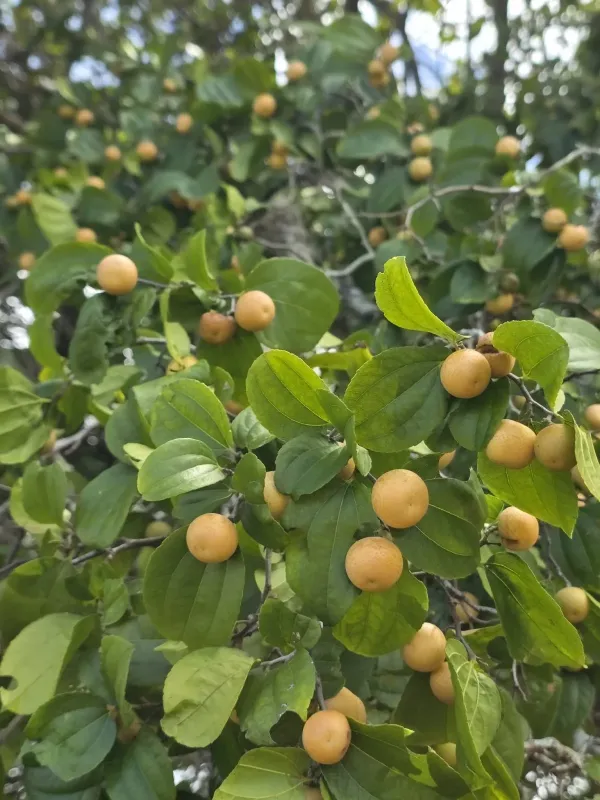
Description
Growing requirements
Sarcomphalus joazeiro, a member of the Rhamnaceae family, is an iconic tree native to the Caatinga region in northeastern Brazil. It is highly valued for its ability to thrive in extremely arid conditions where other plant species fail to survive.
Botanically, this species is classified as an evergreen tree, though it may partially shed leaves in severe drought. It possesses a deep taproot system, which is a primary adaptation allowing it to access subterranean water reserves during the dry season.
The tree thrives in well-drained soils and shows remarkable tolerance to poor-quality soils, including those with high salinity or stony textures. It performs best in open areas where it can receive maximum solar radiation.
Climatic requirements are strictly tropical, characterized by high temperatures and distinct dry and wet cycles. It is intolerant to frost, making it suitable only for specific geographic zones where the temperature remains consistently warm throughout the year.
In terms of agrotechnics, it is recommended to maintain wide spacing between trees to minimize competition for soil resources. The growth rate is moderate, requiring patience during the establishment phase of a new plantation.
Yield
The primary agricultural use of Sarcomphalus joazeiro is as a high-quality forage crop. Its foliage remains green and nutrient-dense even during periods of extreme drought, providing vital sustenance for cattle and goats.
The tree produces small, round, yellowish fruits that are rich in sugars. These fruits are harvested for both animal feed and human consumption, often processed into juices or preserves in local communities.
The wood of this species is renowned for its strength and resistance to decay, making it highly valuable for constructing farm infrastructure, such as fences and storage sheds, which provides long-term utility for farmers.
Medicinal applications are significant, as extracts from the bark and leaves contain saponins. These compounds are utilized in traditional medicine for their anti-inflammatory and antiseptic properties.
Agroforestry systems often integrate this tree with perennial grasses to stabilize soil and improve water infiltration, contributing to the overall ecological sustainability of the farming enterprise.
Main diseases and pests
Fungal infections represent the most significant threat to the crop, particularly when moisture levels in the root zone are poorly managed. Ensuring excellent drainage is the most effective preventative measure.
Pests, including certain species of wood-boring insects, can cause severe damage to the tree's vascular system. Regular inspections of the trunk and branches are necessary to detect early signs of infestation.
Overgrazing poses a danger to young seedlings; therefore, establishing physical barriers or fenced enclosures is essential during the first three to five years of growth to prevent destruction by livestock.
Improper pruning techniques can result in open wounds that facilitate the entry of pathogens. All pruning activities should be performed with sanitized tools to minimize the risk of infection.
Integrated pest management strategies should prioritize biological controls to protect the tree's health while maintaining the environmental balance within the cultivated area.