
Noltea africana
Noltea africana
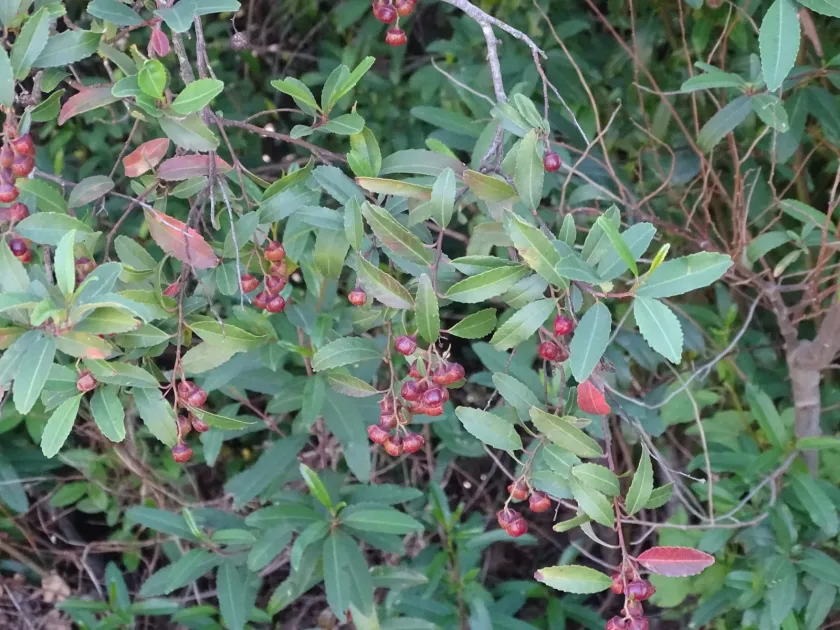
Description
Growing requirements
Noltea africana, commonly known as the soap bush, is a member of the Rhamnaceae family. It is an evergreen shrub or small tree native to South Africa, typically found in moist forest margins and along riverbanks.
The plant thrives in positions with full sun to light shade. It requires well-drained, nutrient-rich soil to support its growth. Poor drainage can lead to root issues, so selecting a site with proper soil structure or adding organic matter is essential for success.
Climate requirements for Noltea include mild temperatures, as it does not tolerate severe frost. In colder climates, it is best grown in pots that can be moved indoors during winter or kept in a climate-controlled greenhouse environment.
Standard cultivation practices include consistent watering during the growing season and periodic fertilization with a balanced mix. Pruning is recommended to maintain the plant's shape and to encourage denser foliage growth, especially when used for hedging.
In terms of usage, Noltea is primarily cultivated as an ornamental plant. Its attractive, deep green foliage and small white flowers make it an excellent choice for windbreaks, garden screens, or as a focal point in a Mediterranean-style landscape.
Main diseases and pests
Noltea africana is relatively hardy, but it can be susceptible to common pests like aphids, scale insects, and spider mites, particularly when grown in sheltered conditions or greenhouses with low airflow.
Fungal diseases such as powdery mildew can occur if the plant is kept in humid, poorly ventilated spaces. Keeping the foliage dry and ensuring good air circulation is a key preventative measure for greenhouse cultivation.
Root rot is a significant risk if the soil remains waterlogged for extended periods. Monitoring moisture levels and ensuring that the pots or planting sites have effective drainage holes or systems is crucial.
To manage pest outbreaks, gardeners should utilize appropriate horticultural oils or insecticidal soaps. Integrated pest management strategies, such as physical removal of insects, should be the first line of defense.
Routine inspection of the plant's health, including checking under the leaves for signs of stress or infestation, helps in managing issues before they become widespread across the shrub.