
Reseda odorata
Reseda odorata L.
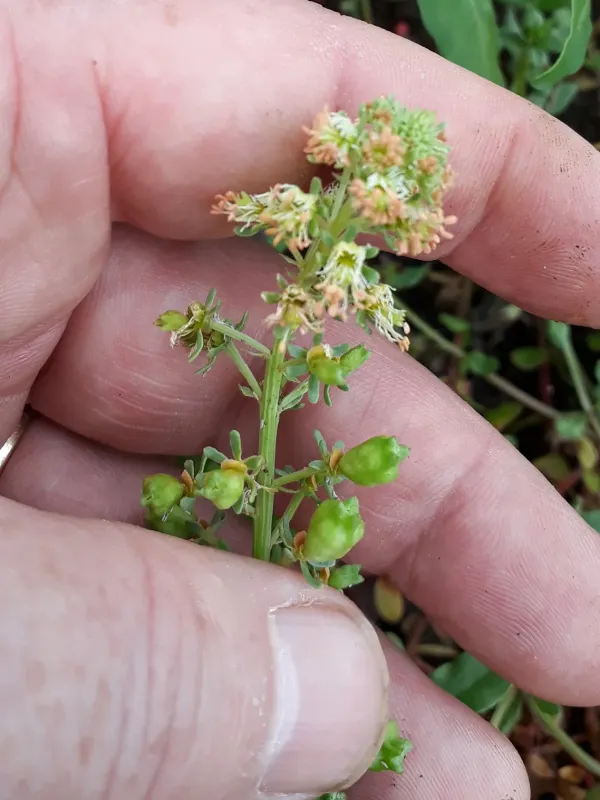
Description
Sowing dates
Reseda odorata L., commonly known as mignonette, belongs to the Resedaceae family. Seeds are typically sown directly outdoors in late spring once the danger of frost has passed, as the plant is sensitive to cold temperatures in its early stages.
Indoor sowing in biodegradable pots is a viable option for a head start, as the plant has a delicate taproot and is susceptible to transplant shock. Sowing in pots allows for minimal root disturbance during the final planting into the garden soil.
The seeds are extremely small and should be sown shallowly, covered with a fine layer of compost or soil no deeper than 0.5 cm. Germination usually takes about two weeks under warm and moist conditions, requiring constant attention.
Spacing is essential for the healthy development of each plant. Seedlings should be thinned out to stand about 20–25 cm apart to ensure good air circulation and allow the plants to develop bushy, robust habits.
For commercial production, precision sowing equipment is used to maintain consistent row distances. This uniformity is crucial for mechanized harvesting and ensures that all plants receive optimal light exposure for essential oil accumulation.
Growing requirements
Reseda odorata thrives in full sun but tolerates partial shade in regions with extremely hot climates. The plant prefers well-drained, fertile soil, ideally with a neutral to slightly alkaline pH level.
The plant is highly sensitive to soil acidity. If the garden soil is acidic, lime should be added several weeks before sowing to bring the pH into the desired range. This is the most critical factor for healthy growth.
Moderate moisture is key to success. While the plant should not be allowed to dry out completely, soggy or waterlogged soils are detrimental and will quickly lead to root rot. Irrigation should be applied at the base of the plant.
Regular maintenance of the soil surface is necessary to prevent compaction. Light hoeing between rows helps to aerate the soil and control invasive weeds that compete with the mignonette for nutrients.
Fertilization should be balanced, focusing on potassium and phosphorus rather than nitrogen. Excessive nitrogen promotes heavy leaf growth but drastically reduces the production of the fragrant essential oils for which the plant is valued.
Main diseases and pests
The cabbage white caterpillar is a significant pest that can defoliate plants rapidly. Regular scouting for egg clusters and the use of organic pest control methods are necessary to protect the foliage during the peak growing season.
Powdery mildew is a common fungal threat, particularly in humid or stagnant air conditions. Ensuring proper plant spacing and avoiding overhead watering are the primary cultural practices to prevent this infection.
Root rot, caused by various soil-borne fungi, often appears in poorly drained conditions. Affected plants should be immediately removed and destroyed to prevent the spread of pathogens to neighboring healthy crops.
Flea beetles may attack young seedlings, leaving small holes in the leaves. Using floating row covers during the early establishment phase provides an effective physical barrier against these insects without the need for chemicals.
Crop rotation is an essential management strategy. To minimize the risk of soil-borne diseases and pests, it is recommended to avoid planting mignonette in the same plot more than once every three years.
Harvesting
Harvesting for essential oils should occur when the plants are in full bloom, which is the period when their fragrance is at its peak. The process is usually performed in the early morning to capture the highest concentration of volatile oils.
Once picked, the flowers should be processed immediately. In industrial applications, the material is transported quickly to distillation units to prevent the rapid evaporation of the delicate scent compounds.
For floral arrangements, the stalks should be cut when the lower florets are fully open. This ensures a long vase life and keeps the plants looking aesthetically pleasing throughout their bloom duration.
Seed harvesting should be timed carefully. As the seed capsules turn brown, they must be gathered before they burst and scatter their contents. Choosing the right moment prevents significant yield loss in the field.
After harvesting, seeds should be dried in a shaded, well-ventilated area. Once cleaned of debris, they are stored in airtight containers in a cool, dark location to maintain high viability for the next planting season.