
Dyer's rocket
Reseda luteola L.
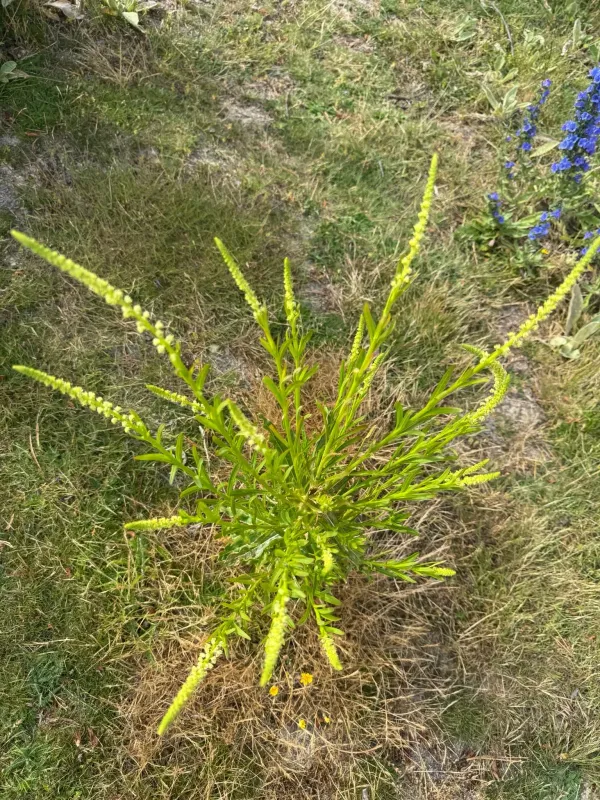
Description
Sowing dates
Dyer's rocket is a biennial or annual plant belonging to the Resedaceae family. Sowing is typically performed in early spring when the soil temperature reaches 8–10 degrees Celsius to ensure uniform germination.
The seeds are small and should be sown in well-prepared, loose soil at a depth of no more than 1–2 centimeters. Rolling the soil after sowing is recommended to improve seed-to-soil contact.
In regions with mild winters, autumn sowing is possible, allowing for earlier vegetative growth in the spring. It is essential to avoid overcrowding to allow the plants to develop strong leaf rosettes.
The crop is characterized by slow initial growth, making weed control in the first weeks of life a critical success factor. Mechanical inter-row cultivation is performed before the leaves cover the gaps.
Crop rotation should be observed, preferably placing dyer's rocket after cereals or row crops that do not leave high levels of weed seeds in the soil.
Growing requirements
Dyer's rocket has moderate climatic requirements and is quite drought-tolerant due to its deep taproot system. It thrives best in regions with plenty of sunlight and well-drained soils.
The plant prefers calcareous soils rich in calcium, which positively influences the synthesis of dye compounds within the plant tissues. Growth is significantly hindered in acidic soils.
The optimal soil pH range is 7.0–8.0. The soil must be loose to avoid waterlogging, as standing water is detrimental to the plant's root crown, especially during the winter period.
The crop responds well to moderate applications of phosphorus and potassium fertilizers. Excess nitrogen is avoided, as it promotes excessive green mass growth at the expense of luteolin accumulation.
While atmospheric humidity is not critical, the crop may require supplemental irrigation during the leaf rosette stage in periods of severe drought to prevent plant stress.
Yield
The economic value of dyer's rocket lies in obtaining a high-quality yellow pigment from the entire aerial part of the plant. Harvesting is scheduled during the mass flowering period.
Biological pigment accumulation occurs in the stems, leaves, and particularly the flower spikes. In a biennial production cycle, the second year provides significantly higher biomass and pigment concentration.
Average yield of dry biomass ranges from 3 to 5 tons per hectare, depending on soil fertility and plant density. Intensive technology can lead to higher yields.
Quality is determined by the timing of the cut; harvesting too late leads to woody stems and a loss of pigment as the plant redirects energy into seed maturation. Rapid drying is essential.
Historically, dyer's rocket has been prized for producing a durable yellow dye, which continues to be used in the textile industry and professional restoration projects.
Main diseases and pests
Flea beetles are the primary threat to dyer's rocket, capable of destroying young seedlings within days. Monitoring of the fields is essential during the seedling stage.
To prevent pest damage, it is recommended to use agronomic methods such as optimal sowing times and spatial isolation from other cruciferous crops to keep insect populations under control.
Powdery mildew is a common disease affecting leaves under high humidity or temperature fluctuations. Fungicide applications are used upon the first signs of the pathogen.
Root rot may occur in heavy, waterlogged soils or due to improper cultivation techniques. The core strategy for protection is maintaining proper water management and soil aeration.
- Flea beetles
- Aphids
- Powdery mildew
- Root rot
Harvesting
Harvesting is performed mechanically using forage harvesters or manually depending on the scale of production. The plants are cut during the full flowering phase before seed shedding.
The harvested material must be dried immediately to avoid fermentation processes, which can lead to the destruction of the dye or darkening of the biomass.
Drying is conducted under active ventilation in shaded conditions. Direct sunlight is avoided during the drying process to prevent the fading of the sensitive dye compounds.
Stored dried material is kept in bales within dry, ventilated facilities. Proper conditions allow the dye-producing compounds to remain stable for several years.
For seed production, specific plots are left to reach full maturity, after which careful threshing is performed to minimize the loss of the tiny, lightweight seeds.