
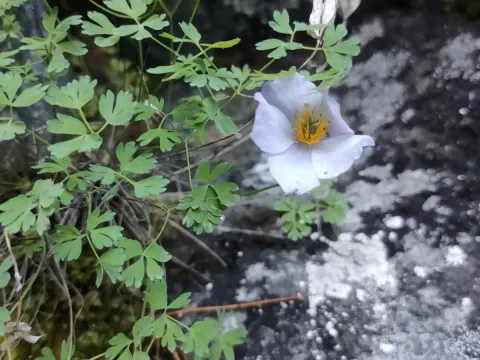
Paraquilegia
Paraquilegia
Sowing Paraquilegia seeds is most successful when done in late autumn to benefit from winter's natural stratification. This process breaks the seed dormancy and ensures uniform germination in the spring.
What the section contains


Paraquilegia
Seeds should be sown in a lean, porous mixture composed of sand, grit, and a small amount of grit-based potting medium. It is essential not to bury the seeds deeply as they often require light to germinate.
If spring sowing is preferred, seeds must be artificially stratified in a cold environment, such as a refrigerator, for at least six weeks. Maintaining constant humidity without waterlogging is crucial during this stage.
Once seedlings have developed two sets of true leaves, they should be carefully transplanted into small pots with excellent drainage. Great care must be taken to preserve the delicate root system during transfer.
Transplanting into the permanent garden site should be scheduled for the spring or early autumn, ensuring the plant has enough time to establish before extreme temperature fluctuations occur.
Paraquilegia, a member of the Ranunculaceae family, is a delicate alpine perennial native to high-altitude mountain regions. Its aesthetic appeal makes it highly prized by collectors of rock garden plants.
The culture thrives in rocky, well-drained environments. A substrate consisting primarily of inorganic materials such as crushed limestone or gravel is preferred to mimic their natural habitat in rock crevices.
These plants require cool, airy conditions with plenty of light, but they are sensitive to intense direct midday sun. Providing shade during the hottest part of the day can prolong the life of the plant.
Watering must be performed with caution. While the roots require consistent moisture during the growing season, any excess water must be drained away instantly to prevent crown rot.
During the dormant winter phase, Paraquilegia prefers drier conditions. Protecting the plant from excessive winter rain using a simple glass or plastic cover is a recommended practice in many climates.
The most significant threat to Paraquilegia is fungal decay resulting from stagnant moisture. Poor drainage or high humidity around the crown quickly leads to crown rot and rapid plant collapse.
Powdery mildew can occur in areas with stagnant air. Improving air circulation around the plants and ensuring the foliage stays dry are the most effective preventive measures against this condition.
Common garden pests such as aphids and spider mites may target the plant during dry spells. If detected, treatment with targeted horticultural soaps or systemic insecticides should be applied promptly.
Slugs and snails can cause substantial damage to young, tender foliage during the spring. Implementing physical barriers, such as a sharp gravel mulch, helps to deter these pests effectively.
Virus infections, although less common, can result in stunted growth and leaf deformation. Any plants displaying persistent signs of systemic disease should be removed and disposed of to protect neighboring specimens.