
Pale-flowered larkspur
Delphinium pallidiflorum
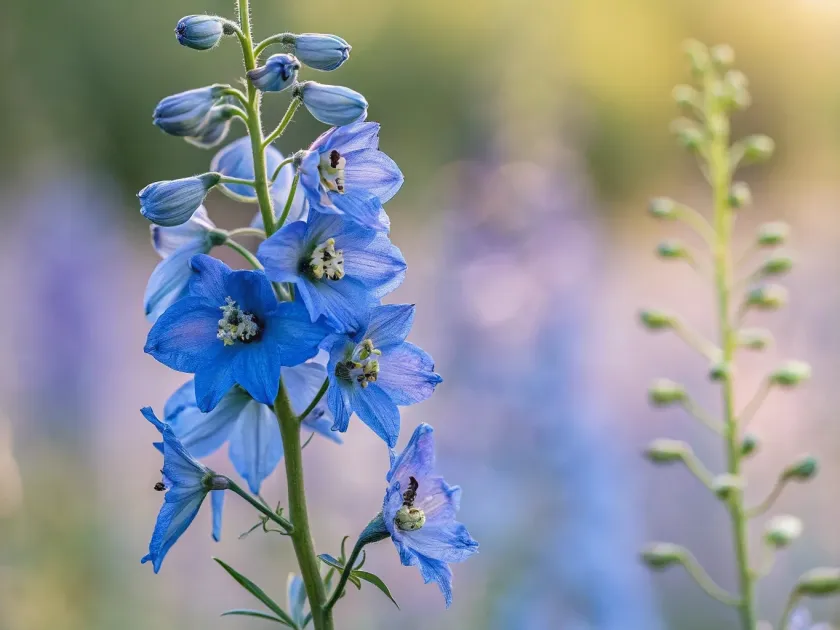
Description
Sowing dates
Sowing of Delphinium pallidiflorum seeds is most successful when performed in late autumn or early spring. If sowing in spring, the seeds require a stratification process, which involves keeping them in a refrigerator at temperatures between +2°C and +4°C for at least four weeks to break dormancy.
The seeds should be sown shallowly, ideally at a depth of no more than 0.5 cm in a nutrient-rich, well-draining substrate. They require consistent, moderate moisture to germinate, though they are prone to rotting if the soil becomes waterlogged during the initial stages of development.
Seedlings emerge at different rates, which is characteristic of wild alpine species. Once the true leaves appear, the young plants can be transplanted to their permanent location in the garden. Careful handling of the root system is essential to ensure a high survival rate after transplantation.
When selecting a site, it is best to choose a spot with partial shade or protection from the intense midday sun. This prevents heat stress on the roots, which is particularly important for this species, as it is native to cooler, high-altitude climates.
Spacing between plants should be approximately 40–50 cm to ensure proper air circulation. Good spacing is a fundamental aspect of the initial planting strategy, as it significantly reduces the likelihood of fungal infections in the mature plant.
Growing requirements
As a member of the Ranunculaceae family, Delphinium pallidiflorum thrives in fertile, loamy soils that possess a neutral to slightly alkaline reaction. The plant requires soil that is rich in organic matter to sustain its vigorous growth and long flowering period.
Drainage is the most critical environmental requirement for this species. Even though it is a mountain plant, it does not tolerate "wet feet." Ensuring that the garden bed is slightly raised or incorporates coarse sand can help prevent the root decay often triggered by winter thaw.
Regarding climate, the pale-flowered larkspur is exceptionally winter-hardy. It is adapted to the harsh conditions of its native habitats, allowing it to survive extreme frost without the need for additional protective covering, provided the ground does not remain saturated.
Maintenance involves routine fertilization during the active growing season. A balanced application of phosphorus and potassium-rich fertilizers is recommended to support robust stem development and improve the quantity and size of the pale-colored blossoms.
Providing structural support is an essential part of the plant's agrotechnical requirements. Because the stems can be quite tall and prone to breaking during strong winds, installing stakes early in the growing cycle is necessary to maintain the plant's aesthetics.
Main diseases and pests
The plant is susceptible to powdery mildew, a fungal infection characterized by a white, dusty layer on the foliage. This disease spreads rapidly in areas with poor airflow and high humidity, necessitating proper plant spacing to maintain healthy conditions.
Bacterial leaf spot is another major threat to Delphinium pallidiflorum. Symptoms include dark, water-soaked spots that spread across the leaves; affected areas should be removed immediately to stop the spread of bacteria throughout the rest of the garden.
Pests such as slugs and snails are particularly drawn to the succulent, young growth of the larkspur. Implementing manual barriers like copper tape or crushed eggshells around the base of the plant can be effective in preventing significant damage to the early foliage.
The delphinium fly is a more specialized pest that targets the reproductive organs of the plant. Its larvae can cause significant damage to the developing buds, leading to stunted or deformed flowers if not treated with appropriate insecticides or biological controls.
General hygiene in the garden is the best defense against these threats. This includes removing old foliage at the end of the season, cleaning tools regularly, and ensuring the surrounding soil is kept clear of debris to reduce potential infection reservoirs.