
Paraquilegia microphylla
Paraquilegia microphylla
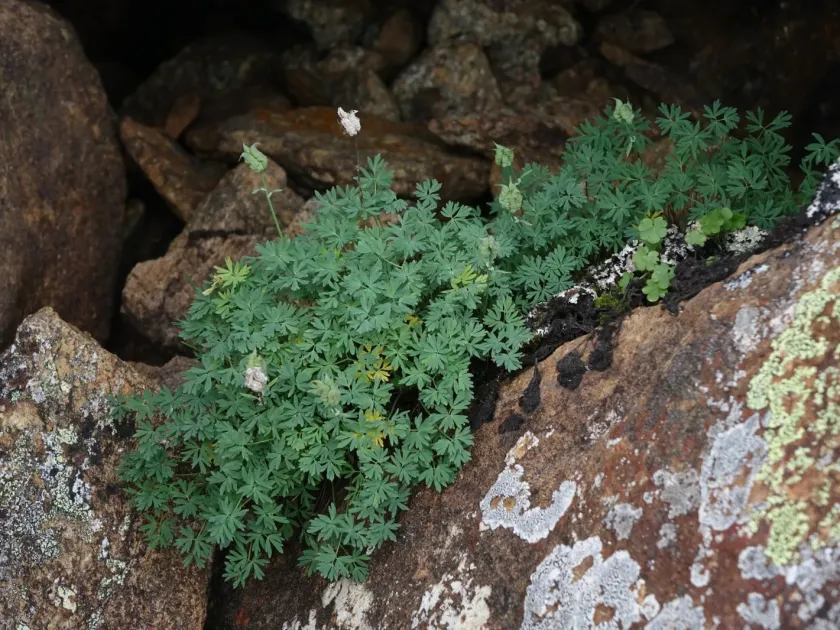
Description
Growing requirements
Paraquilegia microphylla belongs to the Ranunculaceae family and is native to the high-altitude mountain ranges of Central and Eastern Asia. It is a perennial herbaceous plant, highly valued for its exquisite, fern-like foliage and blueish-lavender flowers.
To cultivate this species successfully, growers must emulate alpine environmental conditions. This means providing a cool, airy position with bright, indirect light, as high summer temperatures can be fatal to the plant.
The growing medium is the most critical factor for success. It must be gritty and lean, consisting primarily of sharp sand, granite chippings, and minimal organic matter, ensuring rapid and efficient drainage.
Watering requirements are strict; the soil should be kept slightly moist during the growing season but must never remain waterlogged. Any standing water around the crown of the plant will inevitably lead to physiological stress and death.
In practice, Paraquilegia microphylla is used almost exclusively in specialized rock gardens, crevice gardens, or alpine houses where enthusiasts can precisely control the growth environment.
Main diseases and pests
The primary threats to this species are fungal pathogens, specifically those causing root rot and damping-off, which occur in poorly aerated or overly wet conditions.
Crown rot is a significant danger, particularly if water enters the center of the leafy rosette, leading to rapid decay of the plant's core structure.
Pests such as spider mites may pose a threat in dry, stagnant air environments, necessitating proper ventilation and controlled humidity to prevent infestations.
Proper sanitation, including the use of clean, sterile substrate components and avoiding overhead irrigation, is essential for maintaining plant health.
Ongoing monitoring of the foliage is recommended to catch early signs of pest damage or fungal spots before they spread to the rest of the sensitive plant population.