
Paraquilegia anemonoides
Paraquilegia anemonoides
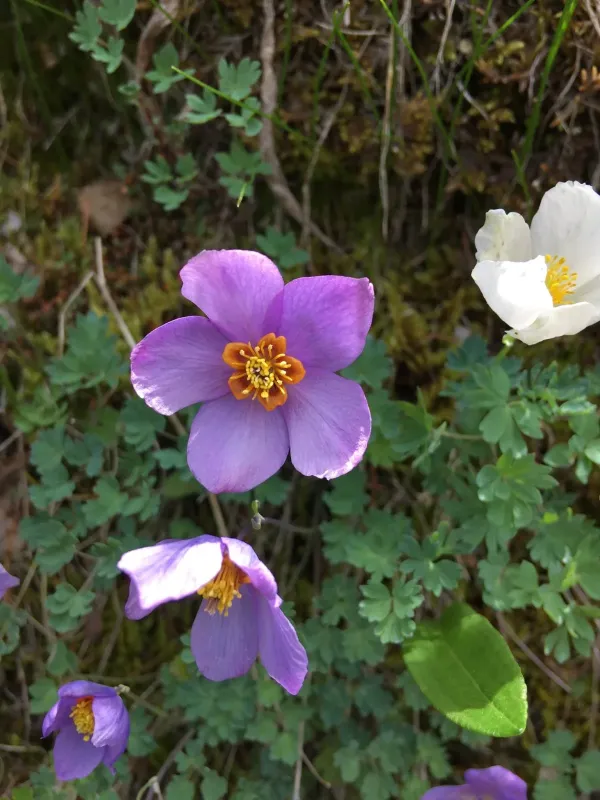
Description
Growing requirements
Paraquilegia anemonoides is a refined perennial herb belonging to the Ranunculaceae family. Native to the high-altitude rocky crevices of the Himalayas and Central Asia, it is a plant of exceptional beauty and specific ecological niches.
The primary requirement for this species is a well-draining, stony substrate that mimics its natural habitat. It thrives in soils that provide high permeability, preventing any moisture accumulation around the roots, especially during the dormant season.
Cultivation demands a cool environment with high air circulation. Exposure to direct, intense sunlight should be avoided, as the plant prefers the bright but diffuse light characteristic of high-mountain slopes.
Regular but cautious watering during the spring growth phase is essential. During the winter, the substrate must remain relatively dry to ensure the survival of the crown and root system, which are prone to rotting in damp conditions.
In terms of agricultural and horticultural use, it is grown exclusively as a specimen plant for alpine gardens and rockeries. Its extreme slow growth and sensitivity make it a prized botanical item for specialized gardening enthusiasts.
Main diseases and pests
Fungal pathogens represent the most significant threat to the health of Paraquilegia anemonoides. Root rot often occurs when drainage is insufficient, leading to rapid deterioration of the plant's health in high-humidity conditions.
Slugs and snails pose a major pest problem, often grazing on the soft, delicate foliage of the plant. Protective barriers or regular manual removal are necessary to prevent significant damage to the plant's structure.
Aphids can occasionally infest new growth, especially during prolonged dry spells. If left untreated, these pests can weaken the plant, making it more susceptible to environmental stressors and secondary diseases.
Poor ventilation within the rock garden can lead to outbreaks of powdery mildew, which disfigures the leaves. Proper spacing and airflow are critical preventative measures to ensure the plant remains robust.
Competition from weeds is a significant threat due to the plant's naturally slow growth rate. Maintaining a weed-free area around the plant is essential, as even minor competition can starve it of the necessary nutrients and light.