
Delphinium trolliifolium
Delphinium trolliifolium
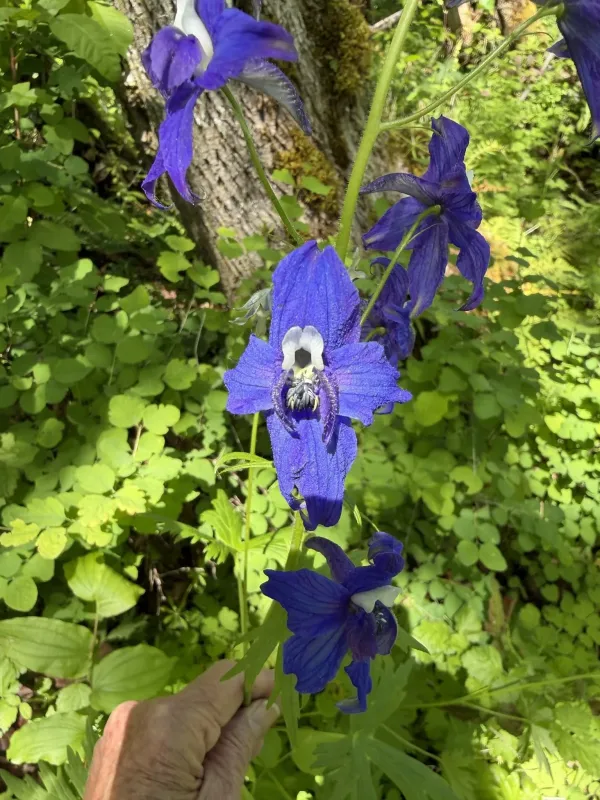
Description
Growing requirements
Delphinium trolliifolium, commonly known as the troll-leaved larkspur, is a herbaceous perennial belonging to the Ranunculaceae family. It is native to the Pacific Northwest region of the United States, typically found in moist wooded areas.
This species thrives in rich, moisture-retentive, and well-draining soil. It prefers environments that mimic its natural habitat, which is characterized by dappled sunlight and cool, temperate weather conditions.
Adequate soil fertility is essential for optimal growth. Incorporating organic matter, such as compost or well-rotted leaf mold, into the planting site promotes healthy root development and sustained vigor.
Water management is critical; while the plant requires consistent moisture, it cannot tolerate waterlogged conditions. Providing a layer of organic mulch helps retain soil moisture and stabilizes the temperature in the root zone.
During the dormant season, the plant is relatively hardy but benefits from a protective cover in regions with harsh winters to prevent excessive freezing and thawing of the soil around the crowns.
Main diseases and pests
The primary threats to Delphinium trolliifolium are fungal infections, particularly powdery mildew and root rots, which often occur due to poor air circulation and excessive humidity around the foliage.
Slugs and snails are the most notorious pests for this plant. They are attracted to the succulent, emerging shoots in early spring and can cause significant damage to the plant's structural integrity.
Aphids can frequently infest the flower spikes during the late spring. Their feeding habits cause the stems to twist and stunt, making the plant look unsightly and reducing its overall ornamental value.
Integrated pest management strategies are recommended, including hand-picking larger pests and using environmentally safe botanical soaps or biological controls to manage recurring infestations.
Maintaining proper spacing between individual plants is essential to ensure adequate airflow, which is a key component in preventing the development of fungal diseases during the growing season.