
Dinaric columbine
Aquilegia dinarica
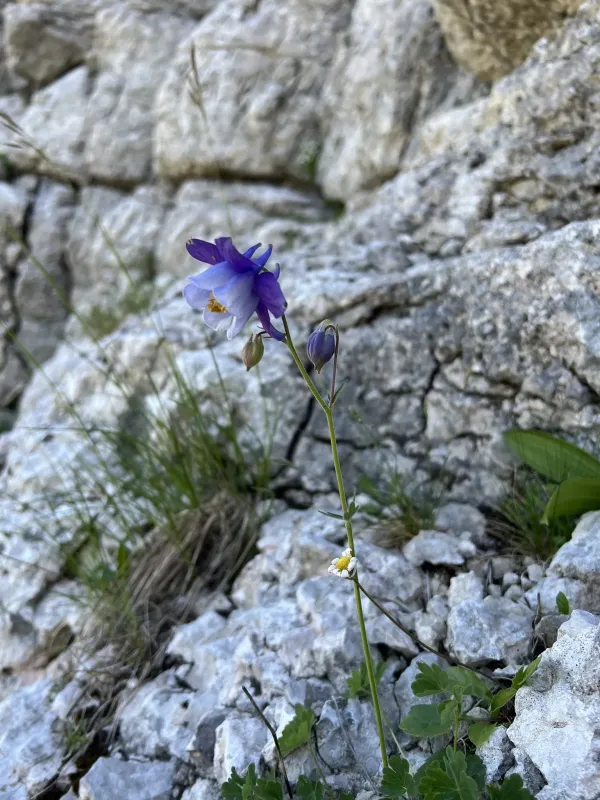
Description
Sowing dates
Seeds of Aquilegia dinarica are typically sown in early spring or autumn, with fall sowing allowing for natural stratification during the winter months.
For indoor propagation, seeds should be sown in shallow trays during late winter, ensuring the growing medium remains moist but not waterlogged.
The seeds require a cold treatment period; placing them in a refrigerator for approximately three to four weeks before sowing significantly improves germination rates.
Surface sowing is recommended as the seeds require light to germinate effectively; cover them only with a very thin layer of vermiculite or fine soil.
Once the seedlings develop their true leaves, they should be carefully transplanted into individual pots before moving them to their permanent garden location.
Growing requirements
The Dinaric columbine is a perennial species belonging to the Ranunculaceae family, naturally occurring in rocky habitats of the Dinaric Alps.
This crop thrives in well-draining, moderately fertile soils and is particularly well-suited for rock gardens due to its alpine heritage.
While it prefers full sun for optimal flowering, it can tolerate partial shade in regions with intense summer heat to prevent the foliage from scorching.
Consistent moisture is essential during the growing season; however, the soil must never remain saturated, as this leads to root rot.
Mulching the soil surface around the plants helps to maintain stable soil temperatures and suppresses the growth of competitive weeds.
Main diseases and pests
Powdery mildew is the most common fungal issue for this species, particularly when plants are grown in areas with poor airflow and high humidity.
Aphids and spider mites are frequent insect pests that colonize the underside of the leaves and the developing flower buds during the spring.
Root-knot nematodes can become a problem in contaminated soils, leading to stunted growth and reduced vigor of the plant over time.
Cultural control methods such as maintaining plant spacing and removing debris help minimize the incidence of common horticultural pests and diseases.
If chemical intervention becomes necessary, use targeted fungicides or horticultural soaps applied strictly according to the manufacturer’s instructions.