
Dichocarpum adiantifolium
Dichocarpum adiantifolium
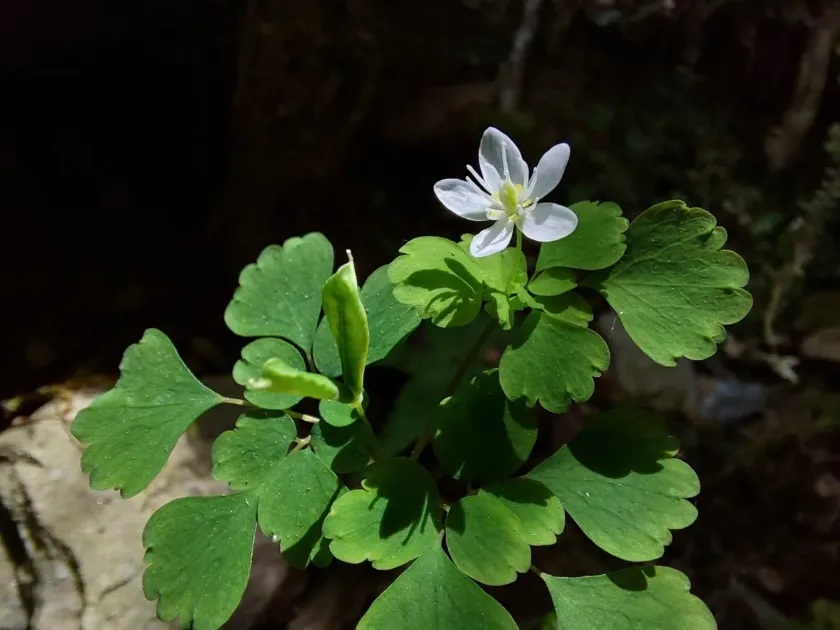
Description
Growing requirements
Dichocarpum adiantifolium is a perennial herbaceous plant belonging to the Ranunculaceae family. It is native to the temperate regions of East Asia, where it predominantly grows in cool, shady forest habitats.
The plant thrives in environments that mimic its natural woodland floor, requiring consistent shade and high levels of atmospheric humidity to maintain its delicate, fern-like foliage.
Regarding soil requirements, this species demands well-draining, nutrient-rich soil that is high in organic matter. A slightly acidic to neutral pH level is ideal for healthy root development and efficient nutrient uptake.
Climate considerations are crucial; the plant prefers cool summers and is highly cold-hardy, making it suitable for temperate regions where winter frosts occur but are not excessively harsh.
Successful cultivation involves maintaining consistent soil moisture. The plant does not tolerate drought, but it is equally sensitive to waterlogged conditions, which can quickly lead to root decay.
Main diseases and pests
Common threats to Dichocarpum adiantifolium include fungal diseases such as powdery mildew and various leaf spot pathogens, which typically flourish in high humidity or poor air circulation.
Pests such as slugs and snails are the primary concern, as they feed on the soft, succulent leaves and can cause significant aesthetic damage if not monitored properly.
In addition to mollusks, spider mites may become a nuisance in environments where the air is too dry, necessitating manual misting or controlled humidity levels.
Preventative care, such as thinning out plantings to improve airflow, is essential to minimize the impact of disease and ensure the long-term health of the plants.
Should an infestation occur, it is recommended to use specialized fungicides or horticultural soaps, ensuring they are applied according to the manufacturer’s instructions to avoid chemical damage.