
Delphinium vestitum
Delphinium vestitum
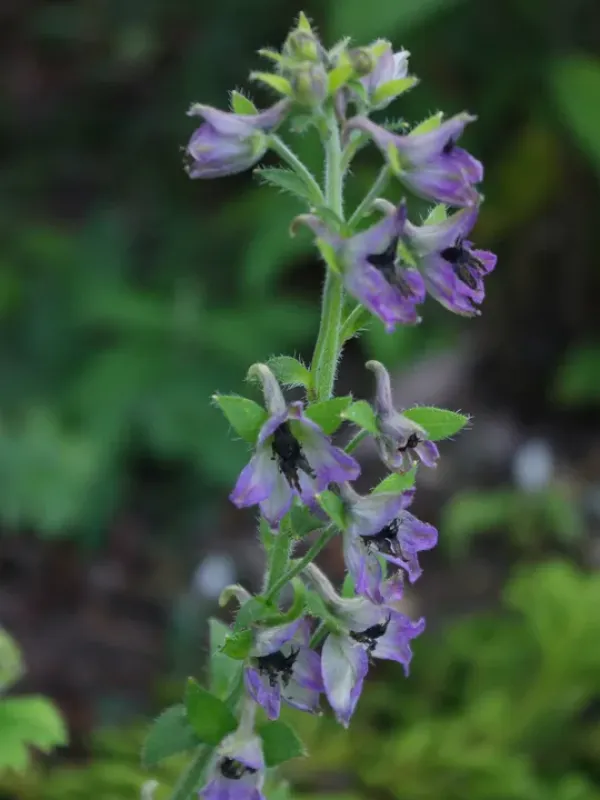
Description
Sowing dates
Sowing Delphinium vestitum is best accomplished in late autumn for outdoor stratification or in early spring using indoor seed trays.
Seeds require a period of cold stratification at temperatures around 4 degrees Celsius to break dormancy and ensure high germination rates.
A sterile, well-draining seed-starting mix should be used to prevent damping-off, a common issue for many Ranunculaceae seedlings.
Seedlings should be kept in a bright, cool environment once germinated to promote healthy root development and strong stem growth.
Transplanting into the garden should occur once the danger of hard frost has passed, ensuring sufficient space for mature plant expansion.
Growing requirements
Delphinium vestitum is a perennial plant of the Ranunculaceae family, native to the high-altitude regions of the Himalayan mountain range.
The plant thrives in full sun but prefers sites where it is sheltered from strong winds to prevent the tall flower spikes from lodging.
It demands fertile, neutral to slightly alkaline soil that is enriched with organic matter and possesses superior drainage capabilities.
Consistent moisture is required throughout the growing season, though the soil must never remain waterlogged to prevent crown rot.
Hardiness is a key characteristic of this species, allowing it to survive cold winters, provided there is adequate drainage and mulch protection.
Main diseases and pests
Powdery mildew is a significant threat, especially during warm and humid periods when air circulation around the foliage is restricted.
Bacterial leaf spot can also cause damage to the leaves, necessitating the removal and destruction of infected plant tissue to stop the spread.
Pests such as aphids and specialized leaf miners frequently target the tender shoots and foliage, requiring proactive monitoring and treatment.
Slugs and snails pose a danger to young seedlings in the spring; protective barriers or baits should be used to safeguard the young growth.
- Sanitation, including the removal of dead leaves and debris, is essential for reducing the risk of recurring diseases each season.
Harvesting
The primary use of Delphinium vestitum is aesthetic, serving as a striking focal point in flower beds, borders, and alpine-style gardens.
For cut flower production, harvest stems when the lower third of the florets are open to ensure a long vase life for the arrangement.
Seed harvesting should be undertaken when the seed pods turn from green to brown, ensuring the seeds are fully developed before collection.
The plants should be cut back to the base after the first frost, which helps the plant conserve energy for successful overwintering and dormancy.
Growing this species is highly rewarding for horticulturalists focusing on rare or mountain perennials due to its unique, rugged beauty.