
Carolina larkspur
Delphinium carolinianum
Description
Growing requirements
Carolina larkspur is a hardy perennial herb belonging to the Ranunculaceae family. Native to the central and southeastern regions of North America, it is commonly found in prairies, open woodlands, and limestone glades, showcasing high resilience to local environmental stressors.
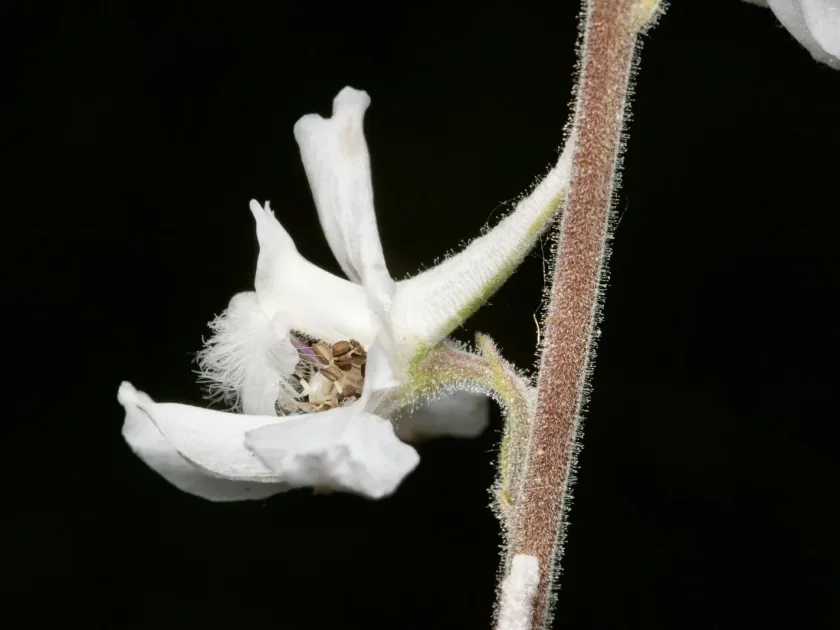
The plant features distinct palmately divided leaves arranged in basal rosettes and produces tall, elegant racemes of blue, violet, or sometimes white flowers. Its root system is deep and fibrous, allowing the plant to establish itself securely in diverse soil profiles.
In terms of growth requirements, this species thrives in full sun exposure. It is particularly well-adapted to well-drained, slightly alkaline soils. Proper drainage is the single most critical factor for successful cultivation, as the crown is susceptible to rot in waterlogged conditions.
The agronomic management of this crop is relatively low-maintenance once established. It displays significant drought tolerance compared to other species in the genus, making it an excellent choice for xeriscaping or restoring native grassland habitats in warm climates.
Beyond its ornamental appeal, Carolina larkspur serves an essential ecological role by acting as a nectar source for native bees and butterflies. Its use in managed landscapes contributes significantly to local biodiversity and pollinator conservation efforts.
Main diseases and pests
Common health issues for Carolina larkspur include fungal infections such as powdery mildew, especially in regions with high humidity. Ensuring adequate spacing and air circulation around the plants is essential for maintaining plant vigor and preventing fungal outbreaks.
Insects like slugs and snails are primary pests, particularly during the early spring when succulent new growth emerges. Regular garden maintenance, such as removing surrounding weeds and debris, can mitigate pest pressure and keep the plants healthy throughout the season.