
Putranjiva matsumurae
Putranjiva matsumurae
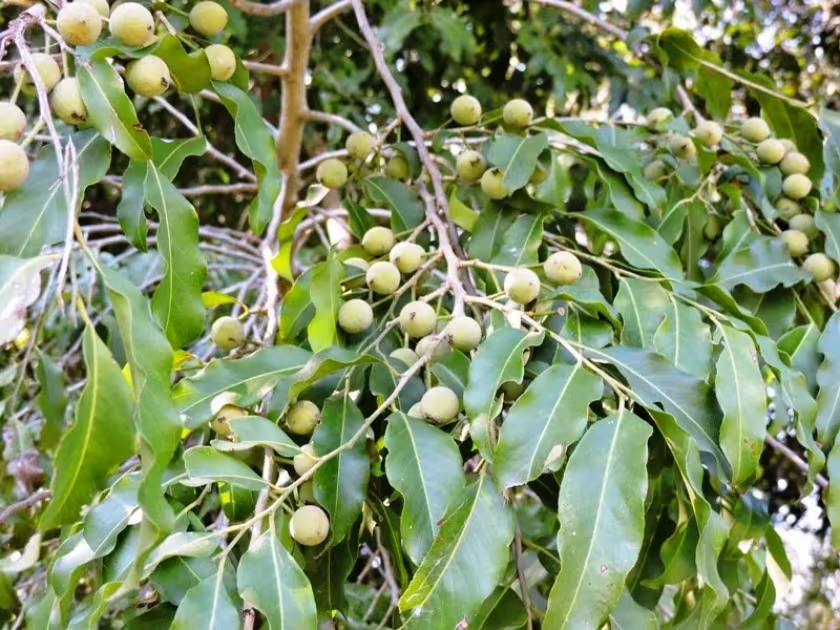
Description
Growing requirements
Putranjiva matsumurae is an evergreen woody species belonging to the Putranjivaceae family. Originating from the subtropical regions of East Asia, this plant is valued for its dense foliage and distinct botanical structure.
The climate requirements for this plant include stable temperatures, as it is highly susceptible to cold stress. It thrives in humid environments where sudden frost events are absent, typically requiring a greenhouse setting in non-tropical zones.
Soil quality is paramount for successful cultivation. The medium should be fertile, well-draining, and rich in humus, with a slightly acidic to neutral pH balance to ensure optimal nutrient uptake.
In terms of light exposure, the plant prefers dappled sunlight. Intense, direct solar radiation can lead to foliar burns, while insufficient light hinders the development of its characteristic thick, leathery leaves.
Maintenance involves balanced fertilization during the growing season and avoiding waterlogging, as the root system is highly sensitive to hypoxic conditions in heavy or saturated soils.
Main diseases and pests
The primary threats to Putranjiva matsumurae are root rot diseases, which are usually induced by poor soil drainage and excessive moisture retention in the root zone.
Pest pressures include common greenhouse insects such as spider mites, scale insects, and mealybugs, which exploit the plant's soft young tissues.
Pathogenic fungi can cause leaf spotting if the ambient humidity remains consistently high without adequate air circulation, leading to potential defoliation.
Integrated pest management strategies are recommended, focusing on maintaining proper ventilation and avoiding overhead irrigation that leaves water droplets on the leaf surface for extended periods.
Regular sanitation, including the removal of dead organic material and dead wood from the canopy, is essential to mitigate the risk of fungal proliferation and insect colonization.