
Putranjiva roxburghii
Putranjiva roxburghii
Description
Growing requirements
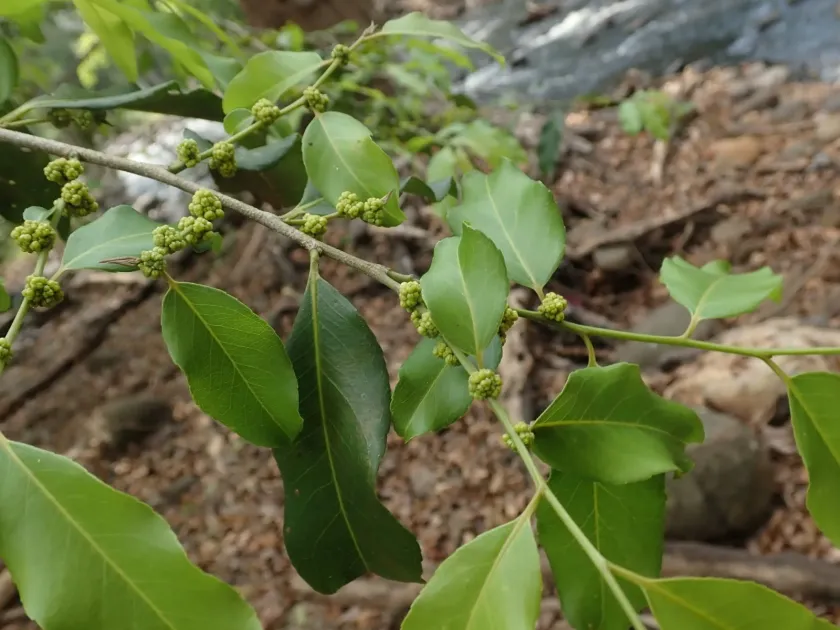
Putranjiva roxburghii is a prominent evergreen tree species belonging to the Putranjivaceae family. Known for its drooping branches and dense, glossy foliage, it serves as an excellent ornamental plant.
The tree is native to the Indian subcontinent and parts of Southeast Asia. It thrives in diverse tropical habitats, ranging from riverbanks to moist, fertile forest floors.
Ideal environmental conditions include high humidity and consistently warm temperatures. The tree exhibits moderate drought tolerance once established but prefers deep, moisture-retentive soils.
Cultivation requires careful site selection where the tree can receive full sunlight, although it remains adaptable to varying light intensities throughout its growth cycle.
Maintenance involves routine pruning to preserve its structural integrity and encourage the dense, aesthetic growth pattern desired in landscape gardening.
Yield
The tree typically reaches reproductive maturity after several years, producing clusters of small, globose drupes that are utilized in various industries.
Harvesting of the fruit is primarily focused on seed extraction. These seeds are historically significant, often used to create traditional rosaries and beads.
The wood of Putranjiva roxburghii is noted for its hardness and durability, making it suitable for the manufacturing of tool handles and agricultural implements.
Extracts derived from the leaves and fruits are highly valued in ethnomedicine, where they are studied for their potential anti-inflammatory and antioxidant properties.
Sustainable harvesting practices are essential to ensure the longevity of the trees, especially when dealing with wild-harvested plant material for commercial distribution.
Main diseases and pests
While relatively robust, the tree may face challenges from fungal pathogens if planted in areas with poor drainage and stagnant air circulation.
Minor infestations of sap-sucking insects can occur, particularly during shifts in seasonal humidity, potentially affecting the foliage quality.
Root rot is the most severe threat to Putranjiva roxburghii, often triggered by excessive waterlogging in heavy, clay-based soil conditions.
Effective management strategies include the implementation of drip irrigation and regular monitoring of canopy health to detect early signs of pest stress.
Integrated pest management, favoring organic horticultural oils and beneficial insect populations, is recommended to maintain a healthy ecosystem for the trees.