
Paradoxical cliff brake
Pellaea paradoxa (R. Br.) Hook.
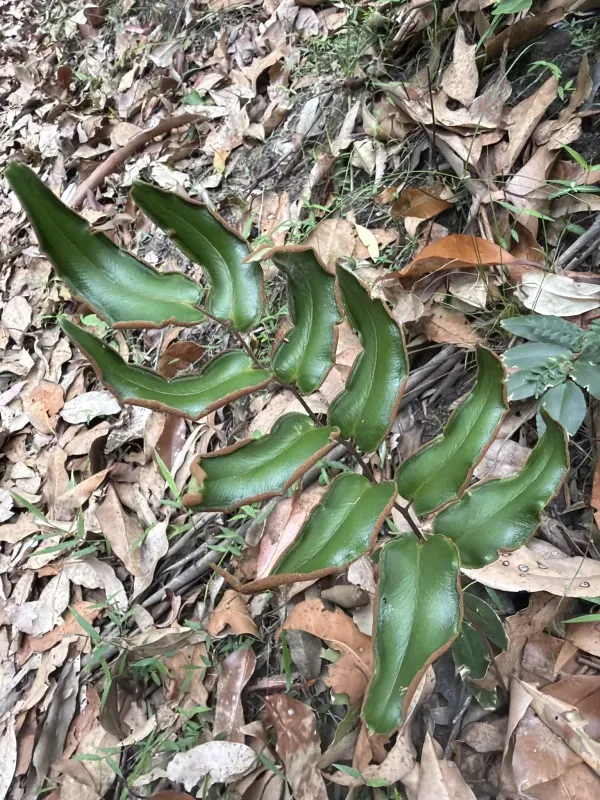
Description
Growing requirements
Pellaea paradoxa, commonly known as the paradoxical cliff brake, is a distinct species of fern belonging to the Pteridaceae family. Native to Australia, this plant has adapted to crevices in rocky environments, which dictates its specific physiological needs in cultivation.
When grown in a controlled environment, the plant thrives in bright, indirect light. Direct sunlight should be strictly avoided as it can scorch the fronds and lead to irreversible leaf damage. A north-facing or east-facing location is generally considered optimal.
Temperature requirements are relatively moderate, with the ideal range being between 18 and 24 degrees Celsius. The plant should be kept away from cold drafts and direct heating sources, as it is sensitive to sudden changes in environmental conditions.
The substrate must be well-draining, mimicking its natural rocky habitat. A mixture of peat, loam, and coarse sand provides the necessary aeration for the root system. Proper drainage is crucial to ensure that water does not pool at the base of the plant.
Watering should be balanced; keep the soil consistently moist but never waterlogged. During the dormant winter period, the frequency of watering can be slightly reduced, allowing the top inch of the soil to dry out before the next irrigation cycle.
Main diseases and pests
Common pests affecting Pellaea paradoxa include scale insects and mealybugs. These small organisms can attach themselves to the underside of the fronds, slowly depleting the plant's nutrients and leading to stunted development if left unchecked.
Spider mites are a significant concern, particularly in environments with low relative humidity. They typically manifest as fine webbing and yellow stippling on the leaves, which significantly impacts the aesthetic appeal of the fern.
Root rot is the most serious disease associated with this species. It is primarily caused by poor drainage or overwatering, which creates a hypoxic environment in the soil, favoring the proliferation of anaerobic bacteria and fungi.
Fungal leaf spot can occur if the foliage is kept excessively wet and the room lacks adequate air circulation. To minimize this risk, water should be applied directly to the soil, avoiding the saturation of the fronds themselves.
Regular maintenance practices, including the removal of dead or yellowing foliage and the use of clean containers, are essential to preventing pest outbreaks. Integrated pest management strategies, such as physical removal or insecticidal soap, remain the standard for home growers.