
Sickle fern
Pellaea falcata (R. Br.) Fée
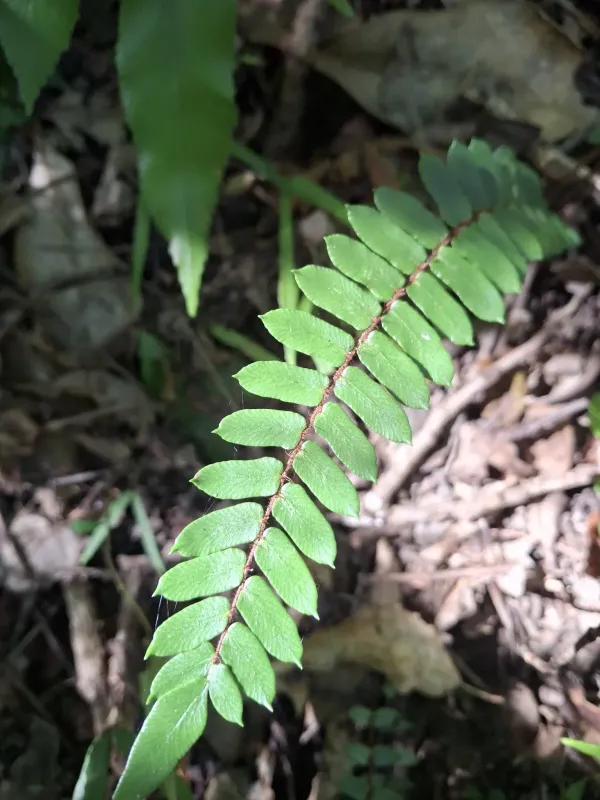
Description
Growing requirements
The Sickle fern (Pellaea falcata) is a hardy evergreen fern belonging to the Pteridaceae family. It is native to Australia and parts of Asia, where it typically inhabits shady, rocky crevices and damp forest floors, adapting well to humid and sheltered environments.
This fern is characterized by its distinct dark green, sickle-shaped leaflets that are arranged along a central stalk. Unlike many other tropical ferns, Pellaea falcata has a more robust foliage texture, making it slightly more resilient to environmental fluctuations when grown indoors.
To ensure healthy growth, the plant requires bright but indirect lighting. Excessive direct sunlight will scorch the fronds, leading to browning and necrosis. It thrives best in cooler room temperatures ranging from 18 to 22 degrees Celsius and avoids extreme heat.
Soil requirements for the Sickle fern focus on excellent drainage and aeration. A mix comprising peat moss, leaf mould, and coarse perlite or sand works best. It is crucial to maintain a slightly moist substrate without allowing it to become waterlogged, as this leads to root suffocation.
In terms of practical use, the Sickle fern is highly popular in interior landscaping and decorative gardening. Due to its architectural fronds, it is frequently used as a feature plant in terrariums or hanging baskets, provided the humidity levels remain consistent throughout the year.
Main diseases and pests
Common pests affecting Pellaea falcata include scale insects and spider mites, which thrive in low-humidity environments. Regular inspection of the undersides of the fronds is essential for early detection, followed by treatment with neem oil or appropriate insecticidal soaps.
Root rot remains the most significant threat to the plant, primarily caused by overwatering or poor drainage. If the fronds begin to wilt or yellow unexpectedly, it is often a signal to check the moisture level of the soil and potentially repot the fern into fresh, sterile media.