
Paraceterach marantae
Paraceterach marantae
Description
Growing requirements
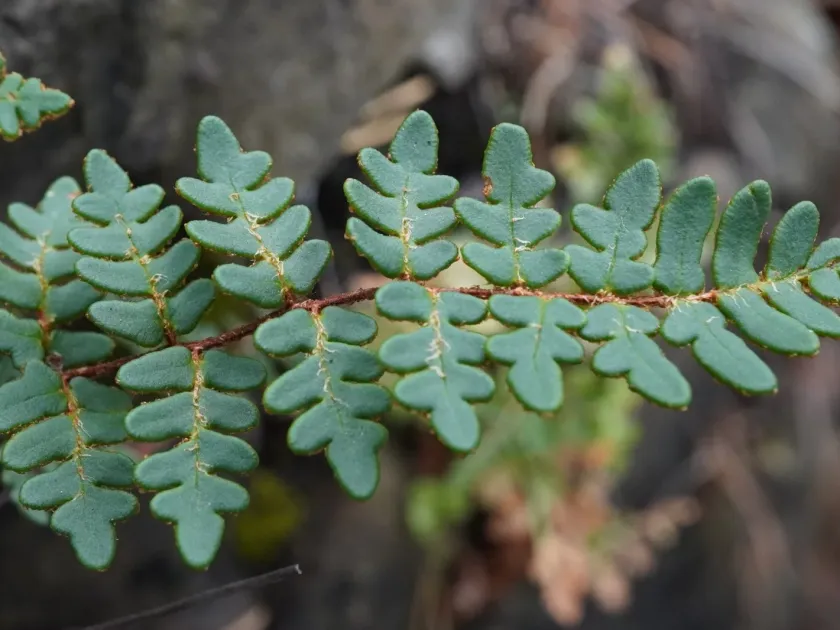
Paraceterach marantae is a unique perennial fern belonging to the Aspleniaceae family. Known for its ability to thrive in harsh rocky environments, it has evolved specific physiological adaptations to manage water scarcity.
The plant is characterized by fronds covered in dense, scaly trichomes. These scales play a crucial role in preventing transpiration, making it one of the most drought-tolerant ferns in the botanical world.
For cultivation, it requires an extremely well-draining substrate, typically composed of crushed stone or grit. Standard potting soil is usually too heavy and promotes root rot, which is the primary cause of plant death in cultivation.
Light requirements are higher than those of typical forest ferns. It can tolerate full sun provided that the temperature does not reach extreme levels that would desiccate the root zone.
Agronomic use is primarily focused on specialized ornamental horticulture. It is highly valued in alpine gardening and rock wall plantings where its unique appearance and resilience are displayed to the best effect.
Main diseases and pests
The most significant threat to Paraceterach marantae is waterlogging. Because it is adapted to lithophytic life, stagnant water in the root zone leads to rapid decay and death of the crown.
Spider mites represent the most common pest problem, especially in dry and warm greenhouse conditions. Early detection is essential, as the dense scales make effective pesticide application challenging.
Fungal pathogens associated with high humidity can infect the fronds if there is poor air circulation. Improving ventilation is the most effective cultural practice to prevent outbreaks of such diseases.
Scale insects may occasionally infest the plants, particularly if grown in confined, protected spaces. Manual removal is often safer and more effective than chemical treatments due to the plant's sensitivity.
Nutrient deficiency is rarely an issue, but salt buildup from fertilizers can cause frond tip burn. Low-concentration, balanced liquid fertilizers are recommended only during the active growth period, and sparingly.