
Aspidotis densa
Aspidotis densa
Description
Growing requirements
Aspidotis densa, commonly known as the Indian's dream fern, is a perennial plant belonging to the Pteridaceae family. While not a conventional agricultural crop, it is a recognized species in the horticultural industry, particularly valued for rock gardens and specialty landscaping.
The plant originates from the western regions of North America. It is typically found in rocky slopes, crevices, and mountainous areas, where it thrives in well-draining, mineral-rich soils. Its adaptation to harsh, rocky terrain makes it a unique choice for specific garden designs.
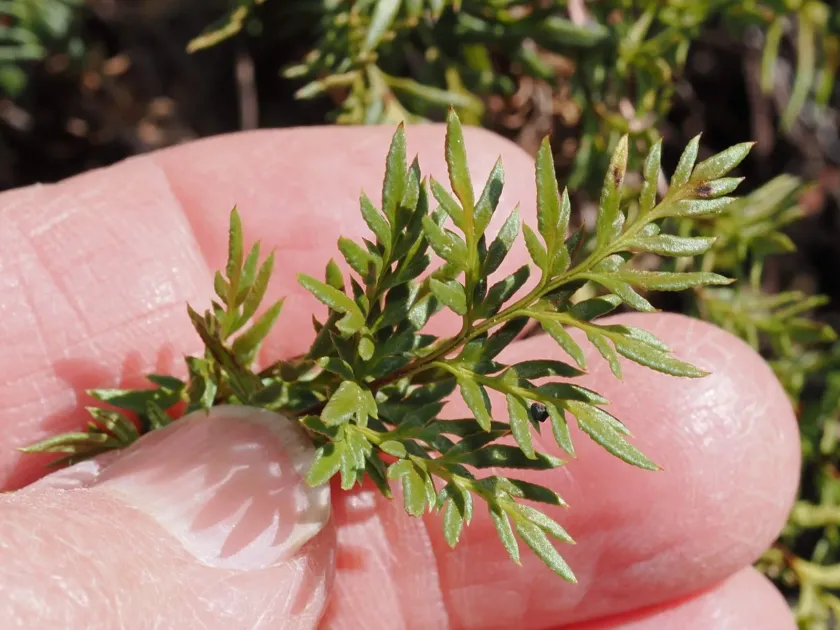
Botanically, it is characterized by its compact habit and stiff, finely divided fronds. The leaves are typically triangular in shape and possess dark, polished stipes that provide a distinct aesthetic contrast against the duller, dense green of the leafy segments.
Regarding soil requirements, Aspidotis densa necessitates a porous, gritty substrate that ensures rapid drainage. It is not suitable for heavy clay soils, as stagnant moisture quickly leads to root decay and overall plant decline, which is the primary failure point for growers.
The plant thrives in temperate climates with well-defined seasons. It prefers bright, filtered light and good air circulation. In cultivation, protecting the plant from excessive humidity during the winter months is essential to simulate its natural, drier mountain habitat.
Main diseases and pests
The primary threats to Aspidotis densa are related to cultural errors rather than pests. Overwatering is the most significant danger, as it fosters the development of soil-borne pathogens and root rot that can be fatal to the fern within a short period.
Occasional infestations of common houseplant pests, such as aphids or spider mites, can occur in indoor or greenhouse environments. Monitoring is vital, as early detection allows for physical removal or targeted treatment before the population becomes established.
Fungal diseases, including leaf spots, may occur if the foliage remains wet for extended periods without adequate air movement. Promoting a dry surface environment and avoiding overhead watering are key management strategies for the gardener.
Prevention involves maintaining a sterile growing medium and ensuring that containers have ample drainage holes. If a disease is detected, the immediate removal and destruction of affected fronds is necessary to prevent the spread of spores.
Cultural stability is key; the plant is generally hardy once established, but it lacks the vigor of invasive fern species, making it somewhat sensitive to competitive weeds or improper chemical fertilizers that can burn its delicate roots.