
Portulaca granulatostellulata
Portulaca granulatostellulata
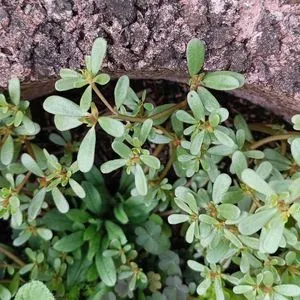
Description
Sowing dates
Sowing should be performed when soil temperatures are consistently above 15 degrees Celsius. In most temperate regions, the optimal period falls between late spring and early summer to ensure rapid germination.
Seeds are tiny and require precise placement on the soil surface. They should be pressed lightly into the ground rather than buried deep to ensure they receive sufficient light for development.
For container or greenhouse production, a light, sandy medium with high drainage capacity is essential. Sowing in modular trays allows for easier handling and ensures that seedlings remain healthy before transplanting.
When planting directly into the field, maintain row spacing of approximately 25 to 30 centimeters to allow for adequate ventilation. This spacing also simplifies weed control and maintenance operations.
Consistent but light irrigation is needed during the emergence phase. Once the plants are established, the frequency of watering can be reduced significantly to match the plant's succulent nature.
Growing requirements
Portulaca granulatostellulata belongs to the Portulacaceae family, known for its members' exceptional ability to adapt to arid conditions. It is a succulent crop that stores water efficiently in its vegetative tissues.
This species requires full sun exposure for the majority of the day. Shade significantly inhibits growth and reduces flowering or biomass development, as the plant relies on intense light for photosynthesis.
Well-drained, sandy, or gravely soils are critical for this crop. It is highly intolerant of waterlogging, which quickly causes root rot and other physiological imbalances in the succulent structure.
Climate requirements include high heat tolerance and resistance to drought. The crop thrives in environments where most traditional vegetable crops would struggle due to moisture stress and high temperatures.
The plant has low requirements for fertilizers. Excessive nitrogen application can lead to weak, elongated stems that are more susceptible to pests and diseases, so a balanced, low-concentration nutrition program is preferred.
Main diseases and pests
Slugs and snails are the most common threats to the young plant leaves. Effective management often involves barrier methods or the application of environmentally safe molluscicides during damp weather.
Root rot caused by fungal pathogens is primarily a result of poor drainage or overwatering. Maintaining dry soil conditions between irrigation events is the best preventative strategy for this issue.
Aphid infestations may occur in specific microclimates or during heatwaves. Targeted use of horticultural soaps or systemic insecticides is usually sufficient to manage these populations effectively.
Weed competition is significant during the early stages of growth, as the plant is not highly competitive. Regular shallow cultivation or mulching with coarse materials helps in controlling weed pressure.
Monitoring for signs of wilting is vital, as it can indicate either severe dehydration or, paradoxically, advanced root rot. Proper diagnosis through visual inspection of the roots is necessary to choose the right control method.