
Phemeranthus teretifolius
Phemeranthus teretifolius
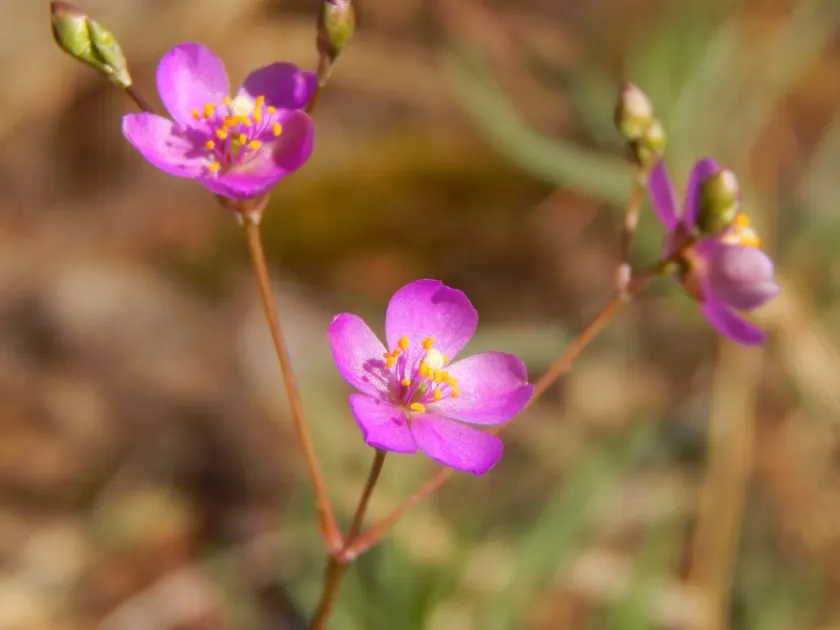
Description
Sowing dates
Sowing the seeds of this crop is ideally performed in early spring as soon as soil temperatures reach a moderate level.
Indoor sowing is recommended in early spring to establish strong seedlings before they are transplanted to their permanent location.
The seeds are extremely small, necessitating surface sowing or covering them only with a very fine layer of sand or substrate.
It is vital to maintain consistent moisture on the surface of the sowing medium to encourage germination of these delicate seeds.
Using a plastic cover during the initial stage helps retain the necessary humidity and heat for successful seed sprouting.
Growing requirements
This species belongs to the Montiaceae family and is recognized as a hardy succulent adapted to arid environments.
The plant thrives in well-draining, sandy, or rocky soils that typically have low fertility levels but excellent aeration.
Full sun exposure is mandatory for this species to maintain its compact growth form and to trigger its prolific blooming cycle.
Phemeranthus teretifolius is highly drought-tolerant, utilizing its succulent, fleshy foliage to store water for long periods.
Excessive soil moisture is detrimental to the health of the plant and should be avoided at all times during the growing season.
Main diseases and pests
The primary threat to this crop is fungal rot, which is almost exclusively caused by overwatering or poor soil drainage.
High humidity combined with stagnant air circulation can create ideal conditions for various soil-borne pathogens to thrive.
Pests such as aphids are rarely a major concern, but they can occasionally attack the plant under high-stress conditions.
Slugs and snails may present a risk to younger, tender shoots, especially in cooler and more humid climates.
Good cultural practices, such as ensuring proper spacing and using a sterile substrate, are key to preventing most diseases.