
Monocosmia
Monocosmia corrigioloides
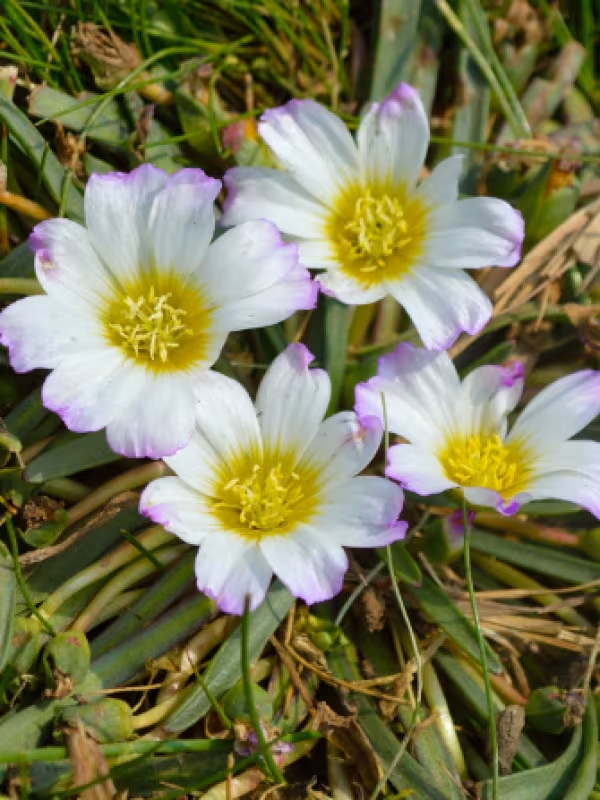
Description
Growing requirements
Monocosmia (Monocosmia corrigioloides) is a unique botanical species belonging to the Caryophyllaceae family. Unlike conventional agricultural crops, this plant is characterized by its specific environmental adaptation, often found in particular micro-habitats within its native range.
The plant originates from Chile, specifically adapted to Mediterranean-type climate zones. It thrives in regions where the environment provides distinct cycles of moderate winters and dry summer periods, influencing its growth patterns.
Soil requirements for this species are centered on excellent drainage and a low-nutrient, sandy or rocky substrate. It is highly intolerant of waterlogging, which necessitates careful site selection or the use of raised beds when attempting cultivation.
Agrotechnical practices are currently limited to research-based cultivation. The focus is primarily on studying its physiological responses to environmental variables rather than achieving high-yield agricultural production.
The economic value of Monocosmia is primarily scientific. It serves as a vital genetic resource for understanding plant survival mechanisms in arid and nutrient-poor environments, contributing to broader research in plant biology.
Main diseases and pests
Fungal diseases related to excessive humidity are the most significant threats to Monocosmia. Poor air circulation often leads to root rot and stem infections, which can rapidly diminish the health of a plant population.
Pests typical of the Caryophyllaceae family, such as aphids and spider mites, can cause significant damage. These organisms feed on the sap of young tissues, which can lead to stunted growth and the transmission of viral pathogens.
Competition from invasive weeds is a major concern, particularly during the early stages of plant development. Because Monocosmia has a specific niche, it does not compete well against vigorous weed species, requiring manual site maintenance.
Environmental stress, such as unseasonal frost or extreme heatwaves, can severely hinder the plant's reproduction. Managing these risks involves precise control over environmental parameters in controlled growth environments.
Effective management requires a proactive approach, emphasizing monitoring and sanitation. Integrated pest management strategies are preferred to ensure the plant's health while maintaining the integrity of the soil and surrounding environment.