
Triplaris melaenodendron
Triplaris melaenodendron
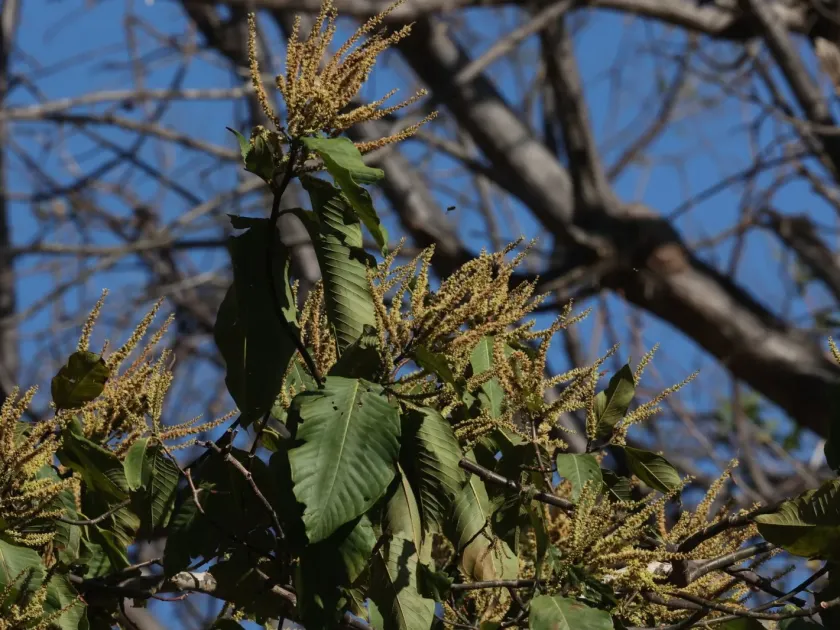
Description
Sowing dates
Propagation of Triplaris melaenodendron in professional nurseries is primarily carried out through seeds. Sowing should occur shortly after seed maturity to ensure high germination rates.
Optimal germination requires stable temperatures ranging between 25 and 30 degrees Celsius. Maintaining consistent substrate moisture is crucial during the early stages of development.
Seedlings are typically kept in greenhouse environments until they develop a robust root system. This usually requires a period of several months of careful monitoring.
Transplanting into the permanent field site should be performed when the young trees show significant woodiness. Proper spacing is essential to prevent overcrowding.
During the initial growth phase, shielding young plants from excessive direct sun exposure and harsh winds significantly improves overall survival rates.
Growing requirements
This species is native to tropical regions and thrives in climates characterized by high humidity and consistent warmth. It cannot tolerate freezing temperatures or severe frost.
The tree requires well-drained, nutrient-rich soil. It is particularly sensitive to waterlogging, which often leads to root rot and eventual plant collapse.
Ample sunlight is necessary for healthy development. While some shade tolerance exists in very young plants, mature trees demand full sun to maintain dense growth.
Regular irrigation is vital during dry seasons to ensure the tree maintains its vigor. However, irrigation levels must be calibrated to match the local evaporation rates.
Triplaris species often host symbiotic ants. This biological interaction is essential for the tree’s natural defense mechanism against herbivores and competitive plants.
Yield
Triplaris melaenodendron is highly valued for its dense, dark-colored timber. Its wood quality makes it a desirable material for high-end furniture and construction.
Yield production per hectare depends on long-term forestry planning. As a slow-growing tree in many conditions, economic returns are realized over decades.
The tree also serves as a significant nectar source, supporting local pollinator populations, which can enhance the ecological balance of the surrounding area.
In ornamental landscaping, its unique form and aesthetic appeal provide significant value beyond timber production, contributing to the local tourism and nursery market.
Systematic monitoring of tree growth rates and wood density allows for optimizing harvest schedules and maximizing the economic output of the plantation.
Main diseases and pests
Root pathogens are a primary concern in poorly managed plantations. Ensuring proper drainage is the most effective preventative measure against these diseases.
Leaf-eating insects can occasionally damage the canopy, particularly in young stands. Integrated pest management using biological controls is recommended over chemical options.
Invasive weeds competing for soil nutrients can severely stunt growth during the first three years of life. Regular mechanical weeding is mandatory for healthy stands.
Mechanical damage to the bark must be avoided at all costs, as it allows fungal spores to enter the wood structure, potentially compromising timber quality.
Environmental stress, such as prolonged drought, can weaken the tree's natural resistance, making it more susceptible to secondary infestations and pathogens.
Harvesting
Harvesting timber requires careful timing, typically conducted when the tree reaches physiological maturity. Expert felling techniques are employed to minimize wood wastage.
Seed collection is a delicate manual process. Seeds are harvested when the pods begin to dry, requiring skilled labor to identify the exact window of opportunity.
Post-harvest treatment of timber is essential. Proper drying techniques are necessary to prevent warping and ensure the wood's structural integrity for market use.
The harvesting of non-timber resources, such as ornamental branches or plant parts, must comply with sustainable guidelines to ensure long-term plantation viability.
Waste management after the harvest includes recycling branches and bark as organic mulch, which contributes to soil fertility for subsequent planting cycles.