
Triplaris americana
Triplaris americana
Description
Growing requirements
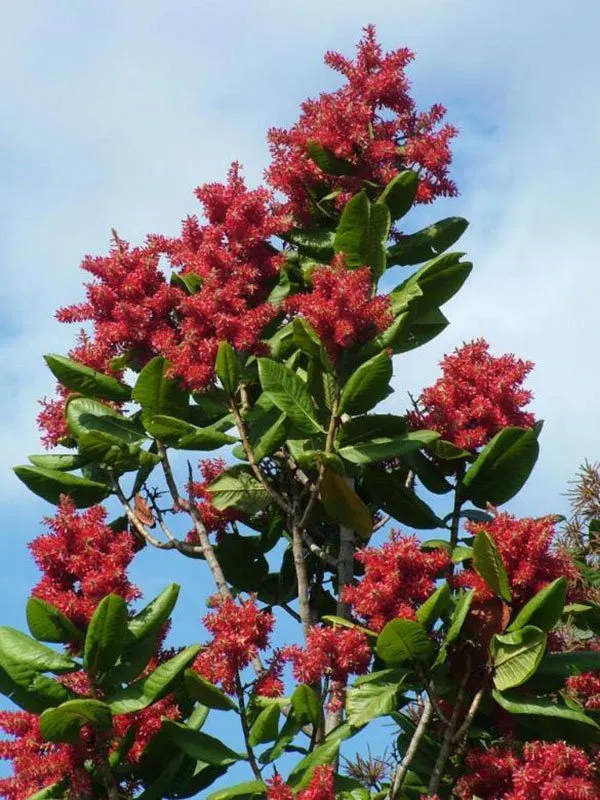
Triplaris americana is a striking tree species belonging to the Polygonaceae family. Recognized for its impressive vertical growth and pyramidal shape, it is a prominent feature in the tropical forests of Central and South America.
The native habitat of this species is characterized by high humidity and consistent tropical temperatures. It thrives in fertile, well-drained soils and is particularly sensitive to cold, making it unsuitable for cultivation in temperate climates without controlled conditions.
Cultivation requirements focus on maintaining high moisture levels and adequate soil fertility. The plant responds well to rich organic substrates that provide essential nutrients for rapid canopy development.
Regarding sunlight, Triplaris americana prefers full exposure to thrive, although it adapts to partial shade during its initial growth phases. Management practices should include spacing that allows for proper airflow to maintain tree health and structural integrity.
Economically, the species is valued for its wood and its ecological role in supporting biodiversity through symbiotic relationships with local ant species. Its distinct appearance also makes it a popular choice for large-scale tropical landscaping and reforestation projects.
Main diseases and pests
Fungal infections are among the primary threats to the health of the tree, often occurring in poorly ventilated areas or locations with stagnant water. Maintaining proper space between trees is an essential preventative measure for any plantation.
Insect pests can occasionally affect the foliage, especially when environmental conditions are suboptimal. While the plant has natural defenses, aggressive monitoring and integrated pest management are recommended for healthy growth.
Competition from vines and epiphytic vegetation can stunt the development of younger trees. Frequent maintenance of the base and trunk area is required during the establishment phase to ensure the tree reaches maturity successfully.
Soil nutrient deficiencies often manifest as chlorosis, requiring systematic fertilization programs. Regular soil testing is advised to ensure that the pH levels remain within the optimal range for the species.
Environmental stress, particularly prolonged droughts, can weaken the tree's natural resilience. Agricultural planning must incorporate sustainable irrigation strategies to safeguard the long-term viability of the tree stands.