
Triplaris caracasana
Triplaris caracasana
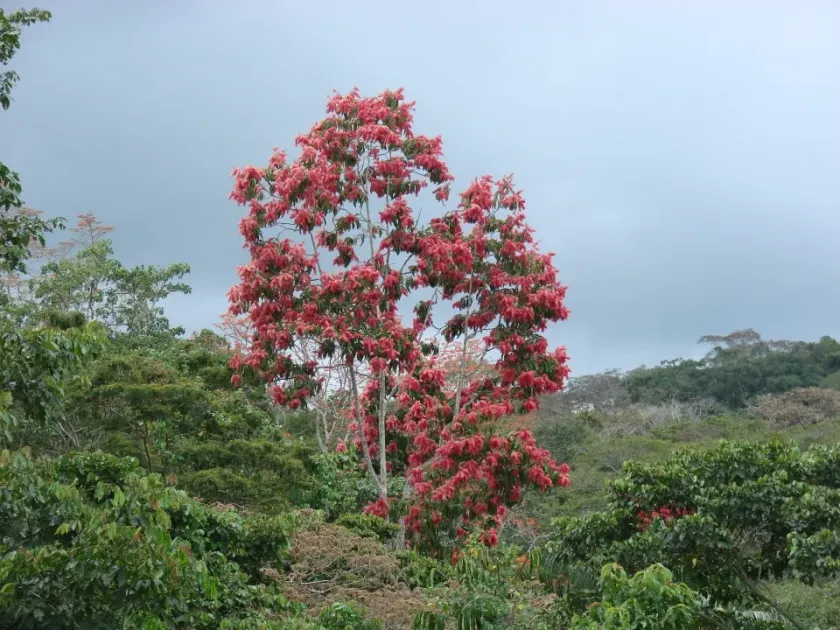
Description
Growing requirements
Triplaris caracasana is a remarkable tree species belonging to the Polygonaceae family. Originating from the tropical regions of Central and South America, this plant is well-regarded for its rapid growth rate and its impressive, showy appearance during the blooming season.
The tree thrives in full sun conditions, requiring high light intensity for optimal vegetative development. It is an excellent choice for open tropical areas where it can maximize its photosynthetic capacity and expand its canopy without competition for light.
Regarding soil requirements, Triplaris caracasana prefers well-draining, nutrient-rich soils. It is highly sensitive to waterlogged conditions, making proper soil aeration and drainage systems essential for the longevity and health of the root system.
Temperature management is critical, as this species is exclusively tropical. It requires warm, stable climates and must be protected from even slight frost, which can cause significant damage or death to the plant's structural tissues.
In terms of economic and functional use, the tree is widely utilized in tropical landscapes for ornamental purposes. Its unique morphological structure and aesthetic appeal make it a preferred candidate for avenues, public parks, and large private gardens seeking a striking focal point.
Main diseases and pests
Common pests affecting this species include aphids and scale insects, which target the soft, growing parts of the plant. Monitoring the underside of leaves for early infestation signs is crucial for effective plant management.
Fungal pathogens may develop if the plant is subjected to poor air circulation or chronic moisture excess. Root rot and leaf spotting are the most common symptoms associated with environmental mismanagement.
The use of preventive horticultural oils or appropriate biological insecticides can help manage pest populations without harming the tree's natural ecological balance. Periodic inspection is the most reliable strategy.
Triplaris caracasana is noted for its mutualistic relationships with stinging ants in its natural habitat, which serve as a natural defense against herbivores and potential pests, highlighting its complex biological adaptation.
Maintaining a healthy environment with good spacing and consistent sunlight exposure remains the best defense against disease. Proper pruning to allow airflow significantly reduces the risk of fungal proliferation within the dense foliage.