
Thyridolepis xerophila
Thyridolepis xerophila
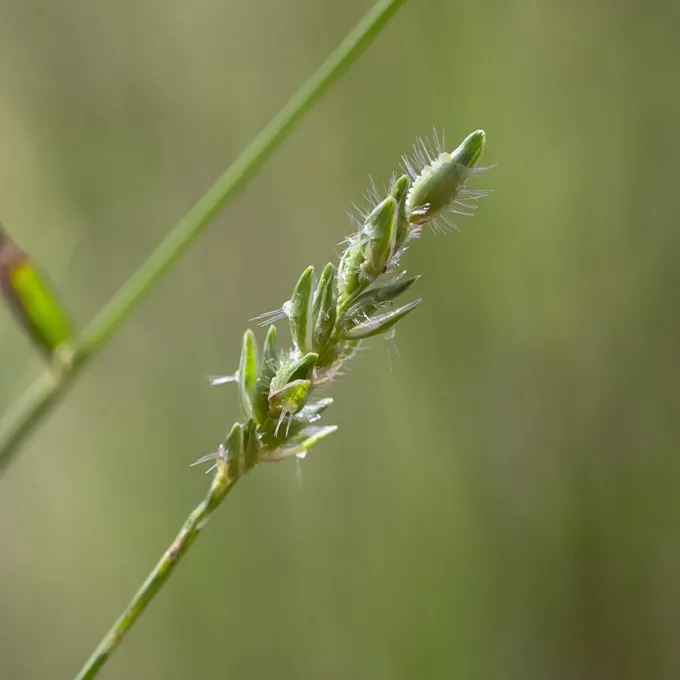
Description
Sowing dates
Thyridolepis xerophila is a perennial grass species that should be sown during the spring season to capitalize on rising soil temperatures for effective germination.
Seed depth is critical; it is recommended to place the seeds no deeper than 1.5–2 centimeters to ensure they can emerge successfully through the topsoil layer.
Field preparation should involve fine-tilling to create a firm seedbed, which helps maintain the essential moisture levels required for the establishment of young seedlings.
Using precision seeders is highly recommended to ensure uniform distribution, as the seeds of this species are relatively small and require careful handling.
Post-sowing rolling is a standard practice that improves seed-to-soil contact, significantly increasing the probability of successful stand establishment in arid environments.
Growing requirements
Belonging to the Poaceae family, this species is a specialist in surviving extreme dry conditions, making it a key component of ecosystems in arid zones.
The plant thrives in well-drained sandy or loamy soils, where rapid water infiltration prevents the risk of root rot or prolonged waterlogging during rare rainfall events.
Full solar radiation is essential for the healthy growth of Thyridolepis xerophila, as it lacks the physiological traits needed to compete in shaded environments.
The species exhibits remarkable tolerance to high thermal fluctuations, which is a common characteristic of its native habitats in the interior parts of Australia.
While the plant is hardy, providing balanced fertilization—specifically focusing on phosphate—during the early stages can promote robust root system development.
Yield
Thyridolepis xerophila provides consistent forage value, remaining active during periods of heat stress when more sensitive grass species often go dormant.
The biomass production is directly correlated with seasonal rainfall, yet the plant maintains a high level of nutritional value even under water-stressed conditions.
In rotational grazing systems, this grass recovers well, provided that the grazing intensity is managed to prevent the overconsumption of basal buds.
Its palatability to livestock makes it a highly desirable species for native pastures, contributing significantly to the overall carrying capacity of the land.
Proper grazing management allows for sustained long-term yields, effectively utilizing the plant's natural adaptation to periodic droughts and grazing pressure.
Main diseases and pests
Root-related pathogens are the primary concern in poorly drained soils, often triggered by unusual heavy rainfall or excessive irrigation practices.
Powdery mildew can occasionally affect dense stands under high humidity, potentially reducing the overall quality and vitality of the forage mass.
Insect pests, such as grasshoppers and certain beetle larvae, can cause localized damage, necessitating regular field monitoring during peak growing seasons.
Invasive weed competition is particularly detrimental during the first year of establishment, as the grass needs sufficient space and nutrients to develop.
Adhering to integrated pest management (IPM) strategies, including crop rotation and proper stocking rates, helps mitigate most biotic risks effectively.
Harvesting
When intended for hay production, harvesting should occur during the boot stage to ensure a high protein content and digestibility before maturity.
Seed collection requires monitoring the maturity of the inflorescence, as the seeds shed easily once they reach full physiological maturity in the field.
Adjusting the cutting height is essential; keeping it at a safe level ensures that the plants can regenerate quickly and maintain their health for the next cycle.
Once harvested, the forage must be cured properly to avoid spoilage, ensuring it retains its nutritional density for use as supplemental feed during shortages.
Efficient harvesting techniques are vital for maintaining the economic viability of the crop, especially when managing large areas of native or improved pastures.