
Mitchell's Mulga Grass
Thyridolepis mitchelliana
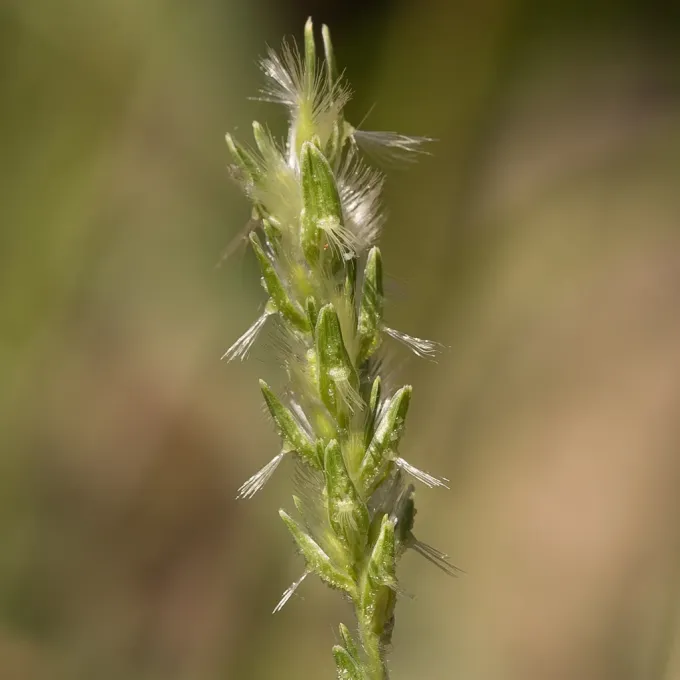
Description
Growing requirements
Mitchell's Mulga Grass (Thyridolepis mitchelliana) is a resilient perennial grass species belonging to the Poaceae family, widely recognized as a cornerstone of the arid and semi-arid landscapes in Australia.
The plant is uniquely adapted to low-nutrient, well-drained soils, thriving in sandy loams where other species often struggle to establish or maintain density.
Its primary climatic requirement is high solar radiation combined with a tolerance for extreme heat and moisture deficit, making it a critical component of resilient rangelands.
Botanically, it forms dense, tussock-like structures that provide stability to the soil surface, effectively acting as an ecological guard against desertification and soil erosion.
Agricultural management is focused on conservation grazing practices. The plant prefers long resting intervals to recover its root reserves and produce viable seeds for self-propagation.
Main diseases and pests
Overgrazing remains the primary threat to the stability of Thyridolepis mitchelliana populations, as frequent grazing prevents the plant from setting sufficient seed for regeneration.
Disease outbreaks are relatively rare in natural rangelands; however, instances of rust fungi can occur if atmospheric moisture levels remain abnormally high for extended periods.
Common agricultural pests such as locusts and grasshoppers can cause significant defoliation during seasons of severe drought, exacerbating the stress on the plant.
Soil degradation and compaction caused by heavy livestock traffic are detrimental, as they prevent the deep root systems from accessing necessary oxygen and moisture.
Invasive weed encroachment creates intense competition for limited water resources, often leading to the exclusion of Mitchell's Mulga Grass from its native habitats.