
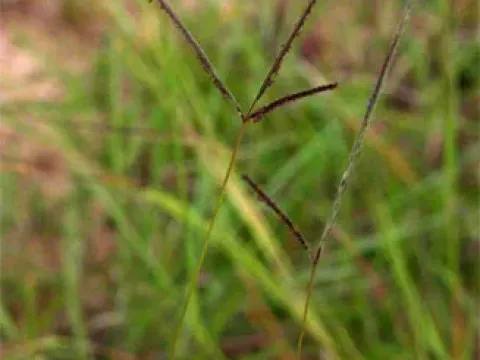
Stereochlaena
Stereochlaena
Stereochlaena is a genus of perennial grasses belonging to the Poaceae family. In agricultural practice, it is valued as a productive forage crop, well-adapted to the environments of the African continent, which is the native habitat for most species of this genus.
What the section contains

Stereochlaena
The plant features a highly developed root system, enabling it to efficiently absorb moisture from deep soil layers and successfully outcompete weeds in its natural growth conditions.
The crop prefers well-drained sandy loam or loamy soils with a moderate acidity level. It demonstrates a high degree of resilience to the temporary drought periods typical of tropical and subtropical climates.
For optimal growth and high vegetative activity, the plant requires abundant sunlight. It does not tolerate prolonged flooding, so fields with high water tables are generally unsuitable for cultivating this crop.
Cultivation practices involve deep plowing to ensure oxygen availability for the root system, as well as the application of phosphorus and potassium fertilizers during early growth stages to stimulate tillering.
The primary use of Stereochlaena is the establishment of high-yield pastures and the harvesting of green forage for livestock operations. It is appreciated for its high nutritional value and excellent palatability for cattle.
Green biomass yield depends directly on soil fertility and the standard of agronomic management. With proper pasture rotation, the crop shows strong regrowth capacity after grazing, providing a reliable feed source throughout the season.
The chemical composition of the forage is characterized by an optimal crude protein content, making it a sought-after component in dairy and beef cattle rations.
When intended for hay production, it is recommended to harvest at the onset of the flowering stage, when nutrient concentrations in the leaves are at their highest.
The potential of this crop is supported by studies highlighting its longevity in pastures, provided that grazing regimes are strictly managed and periodic mineral fertilization is applied.
Stereochlaena is generally noted for its robust resistance to local pathogens, though the risk of disease incidence increases under monoculture conditions.
The primary threats include fungal leaf diseases, which tend to develop under high humidity and poor air circulation within the stand.
Among pests, the greatest concern comes from insects that attack the stems and root systems during the plant's early establishment phase.
Disease prevention involves adhering to recommended seeding rates to avoid excessive density and ensuring the timely removal of plant debris that may harbor inoculum.
Monitoring the condition of the fields throughout the spring and summer periods allows for early detection of pest hotspots and the implementation of localized control measures to minimize yield loss.