
Stereochlaena cameronii
Stereochlaena cameronii
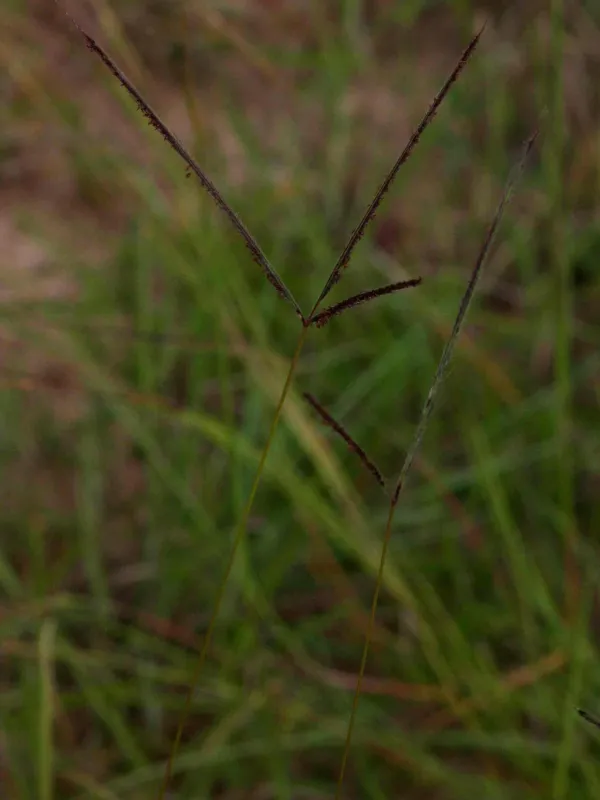
Description
Growing requirements
Stereochlaena cameronii is a perennial grass species belonging to the Poaceae family. Originating from the tropical regions of Africa, this plant has gained attention as a significant forage resource for livestock production in arid and semi-arid environments.
The botanical structure of the plant is adapted for survival in variable climates. It features robust culms and a fibrous root system that provides stability and resilience against environmental stressors, such as irregular precipitation and heatwaves.
Regarding soil requirements, Stereochlaena cameronii thrives best in well-drained, sandy loam soils. It demonstrates a remarkable ability to establish itself in nutrient-poor environments, making it an excellent choice for stabilizing pastures where other more demanding grasses might fail.
The climate requirements include a preference for warm temperatures and sufficient sunlight exposure. While it exhibits drought tolerance once established, consistent growth occurs when moisture is available during the active growing season.
In agricultural practice, this grass is primarily utilized as a grazing source. Its ability to regrow rapidly after defoliation makes it a preferred species for sustainable pasture management in its native and adapted regions.
Main diseases and pests
Like many species in the Poaceae family, Stereochlaena cameronii can be affected by fungal pathogens, particularly rust diseases, which thrive under conditions of high humidity or poor field drainage.
Insect pests such as grasshoppers and various stem-boring larvae represent the main biological threats. These pests can significantly reduce the biomass yield if infestation levels are not monitored or controlled through proper grazing cycles.
Effective management against threats involves practicing rotational grazing, which disrupts the life cycles of many soil-borne pathogens and insect larvae by allowing vegetation to rest and recover periodically.
Chemical intervention is generally minimized to maintain the ecological balance of the pasture. Instead, farmers rely on maintaining a vigorous stand density, which effectively outcompetes weeds and limits the spread of localized infections.
Field scouting is essential to ensure that the stand remains healthy. Detecting signs of stress early, whether from pests or nutrient deficiencies, allows for timely management adjustments to preserve the longevity of the perennial forage stand.