
Star paspalum
Paspalum stellatum
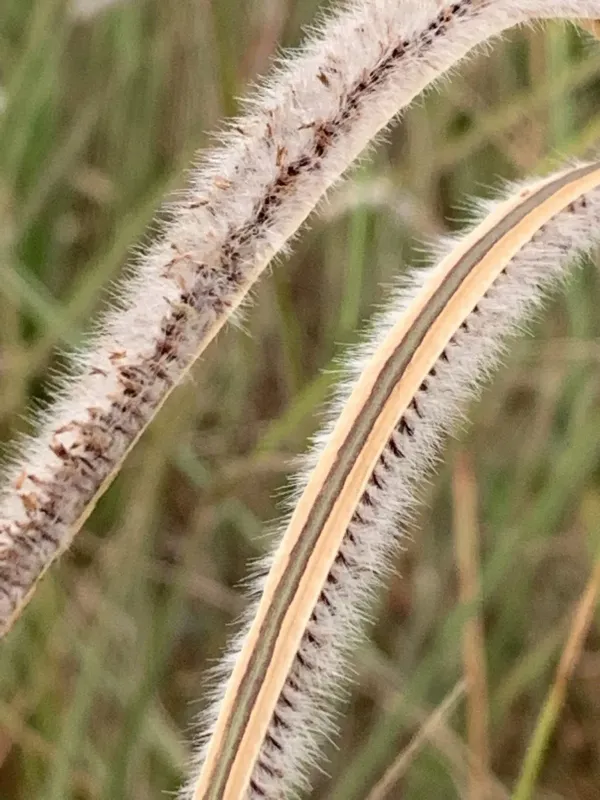
Description
Sowing dates
Star paspalum (Paspalum stellatum) is a perennial grass species within the Poaceae family, known for its adaptability to specific grassland environments.
Sowing should be scheduled during the warm season, as the seeds of this grass require consistent soil temperatures to achieve successful germination.
The seeds are relatively small and require precise sowing depth, typically 1–2 cm, to ensure they are not buried too deep in the soil profile.
Seedbed preparation is crucial; the soil must be fine and well-leveled to ensure uniform seed distribution and optimal moisture retention for the developing seedlings.
Post-seeding compaction using rollers is recommended to enhance the contact between the seed and the soil, significantly boosting the rate of emergence.
Growing requirements
Native to South America, Star paspalum has evolved in savannah regions characterized by distinct seasonal variations in rainfall and sunlight.
The plant thrives in well-drained soils, though it demonstrates a notable tolerance for temporary waterlogged conditions, making it versatile for diverse landscapes.
High levels of solar radiation are required for this plant; thus, it is best suited for open pastures rather than shaded agricultural areas.
Soil pH ranging from slightly acidic to neutral is ideal for this species, supporting efficient nutrient uptake and robust root system development.
Regular nitrogen fertilization is necessary during the active growth phase to maintain high production levels and protein content in the leaves.
Yield
Star paspalum is primarily utilized as a forage crop for livestock grazing, providing a reliable source of green mass throughout the growing season.
The yield of biomass is dependent on effective management, including controlled grazing rotation and adequate fertilizer application during the peak growth months.
Its high leaf density makes it a preferred choice for producers looking for consistent forage quality throughout the summer period.
When properly managed, the plant maintains its nutritional density, ensuring that grazing animals receive the necessary intake for healthy development.
- High leaf-to-stem ratio enhances forage palatability.
- Rapid recovery rates following grazing or harvesting.
- Excellent adaptability to summer heat and periodic drought.
Main diseases and pests
Like many species in the genus Paspalum, it is susceptible to fungal diseases, particularly under conditions of high humidity or poor field drainage.
Insect pests, including root feeders and various types of sucking insects, can impact plant vigor if infestations are not addressed early.
Integrated Pest Management (IPM) practices are recommended to reduce the reliance on chemical inputs while maintaining the health of the pasture.
Regular scouting of the fields is essential to detect early symptoms of disease or pest activity, which often manifest in the lower canopy.
Maintaining a clean field environment by removing old plant residues can help reduce the overwintering of pathogens that affect the grass.
Harvesting
Harvesting for hay should be timed before the seedheads fully mature, ensuring the highest possible nutritional value and protein levels in the harvested biomass.
Cutting should be performed during dry weather to facilitate rapid drying and prevent microbial growth that could spoil the quality of the hay.
Mechanical harvesting equipment should be calibrated to preserve the integrity of the leaf mass and avoid excessive shredding of the delicate tissues.
Managing the stubble height after cutting is vital for the grass to successfully regrow, ensuring sustainable production for future harvesting cycles.
By optimizing the harvest schedule, farmers can often obtain multiple productive cuttings within a single growing season.