
Piptochaetium fimbriatum
Piptochaetium fimbriatum
Description
Growing requirements
Piptochaetium fimbriatum is a notable perennial grass belonging to the Poaceae family. Native to the Americas, this species is widely recognized for its adaptability to arid and semi-arid environments, where it serves as a resilient component of natural rangelands and semi-desert ecosystems.
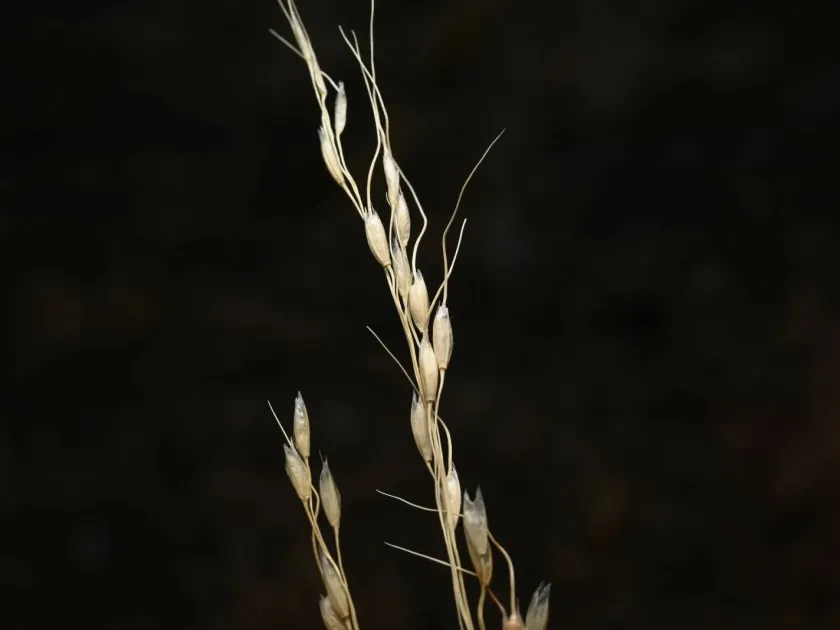
The botanical characteristics of this species include a bunchgrass growth habit, featuring stiff, narrow leaves and fibrous root systems. This structure is specifically evolved to withstand harsh environmental conditions, including nutrient-poor soils and sporadic rainfall patterns, which allows the plant to persist where other crops might fail.
Climatic requirements for optimal growth involve full sun exposure and regions with moderate temperature shifts. It is highly resistant to drought and heat stress, which makes it an ideal candidate for soil stabilization projects in areas susceptible to erosion, provided the site offers good drainage to avoid water stagnation.
Regarding soil conditions, Piptochaetium fimbriatum performs best in well-drained loamy or rocky soils. It does not require intensive fertilization, as it is well-adapted to surviving in soil types that are naturally low in organic matter, making it a low-input crop suitable for sustainable land management practices.
Agricultural use of this grass is primarily focused on livestock forage. It provides essential grazing opportunities for cattle and small ruminants, particularly during the transition seasons. The plant remains relatively palatable even after reaching maturity, ensuring a consistent nutrient intake for grazing animals throughout the year.