
Mediterranean ryegrass
Lolium mediterraneum
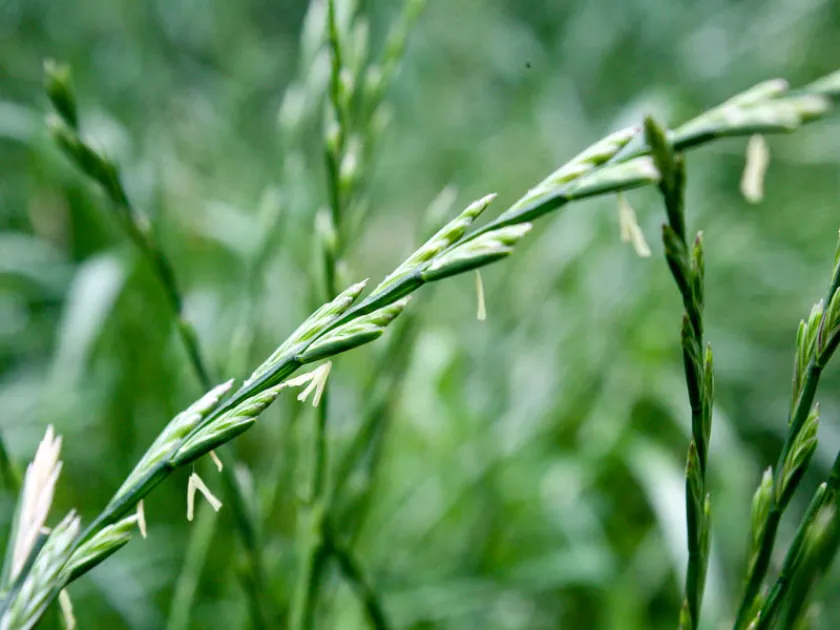
Description
Sowing dates
Sowing of Mediterranean ryegrass is typically planned for early spring when soil temperatures reach 6-8 degrees Celsius. Early autumn is also considered an optimal sowing time in regions with mild climates, allowing the crop to establish a strong root system before winter.
Seeds are sown using a drill method with row spacing of approximately 15 centimeters, ensuring uniform distribution. The sowing depth should not exceed 2 centimeters, as the small seeds require close contact with moist soil for successful germination.
The seeding rate varies between 15 and 25 kilograms per hectare depending on the intended use of the field. When creating pasture mixes, the dosage is often reduced to incorporate the species into multispecies grass blends with legumes.
Post-sowing, it is recommended to roll the field to ensure firm contact between the seeds and soil particles. This is a critical agricultural practice that accelerates emergence and minimizes the risk of the topsoil drying out.
Early-stage management focuses on timely weed control to prevent competition. Supplemental nitrogen fertilization may be applied to stimulate tillering and promote the formation of a dense, uniform sward.
Growing requirements
Mediterranean ryegrass belongs to the Poaceae family and is well-adapted to the warm and temperate Mediterranean climate. The plant thrives in sunny locations and exhibits moderate drought tolerance, although it achieves maximum productivity with consistent moisture.
The crop requires fertile soils, preferring loamy or sandy loam textures with a neutral to slightly alkaline pH. Waterlogged soils with poor drainage are detrimental to the root system, making proper field drainage a prerequisite for successful cultivation.
Naturally, the plant inhabits open slopes, meadows, and pastures throughout the Mediterranean basin. It withstands short summer droughts well, but prolonged lack of water can slow vegetation and reduce the nutritional density of the biomass.
Optimal growth in agricultural settings requires moderate mineral nutrition, specifically nitrogen and potassium. Fertilizing after each harvest significantly improves the regeneration capacity of the sward and extends the productive lifespan of the field.
Temperature is a deciding factor for this crop, as it possesses limited cold hardiness compared to more northern ryegrass varieties. In regions with severe winters, successful overwintering requires a stable snow cover.
Yield
The yield of Mediterranean ryegrass depends heavily on agricultural management and fertilizer application. Under intensive farming systems, the crop can provide up to 3-4 harvests per growing season, ensuring a consistent supply of forage mass.
Average yields range from 25 to 40 tons of green matter per hectare with adequate irrigation. For hay production, the output reaches 6-10 tons, characterized by high digestibility and nutrient content for livestock.
Timing the harvest is crucial to maximize results and prevent stem lignification. The early heading stage is the best period for cutting, as protein and sugar concentrations in the plant are at their peak.
Systematic fertilization and timely irrigation maintain high productivity for 3 to 5 years. Over time, stands may thin out, necessitating overseeding or complete field renewal to maintain performance.
The economic viability of growing this crop is supported by its high nutritional value for cattle and sheep. Including this ryegrass in rations contributes to improved milk yields and weight gains in livestock.
Main diseases and pests
Common diseases affecting ryegrass stands include rusts and powdery mildew. These fungal pathogens thrive in high humidity and dense swards, making prophylactic fungicide application a necessary management tool.
Pests such as cereal flies and aphids pose the greatest threat by damaging young leaves and stems. Large infestations can lead to significant yield reductions and decreased forage quality.
Integrated pest management strategies, including crop rotation and timely mowing, are recommended to control pest populations. Chemical treatments should be reserved for cases where economic injury levels are exceeded.
Root rots can occur if soil moisture levels are not properly managed. Prevention involves avoiding overwatering and ensuring adequate soil aeration throughout the growing period.
Regular field monitoring is essential, especially after periods of rainfall. Early detection of infection sites allows for localized management and prevents widespread loss of productivity.
Harvesting
Harvesting Mediterranean ryegrass for hay is performed at the onset of flower heading. This phase offers the best balance between biomass accumulation and the nutrient levels required for high-quality animal rations.
For hay production, the cut material is left in swaths to wilt, with periodic turning to facilitate drying. Care must be taken not to over-dry the crop, which could lead to leaf shattering and nutrient loss.
When used for grazing, a rotational grazing system is recommended. This prevents overgrazing and promotes rapid regrowth, significantly improving the efficiency of forage utilization.
For green fodder, modern forage harvesters are used to quickly transport the fresh material to feeding stations. This method minimizes nutrient losses associated with storage and transport.
After the final cut of the season, fields should be left to rest to allow nutrient accumulation in the tillering nodes. This strengthens the plants before winter and ensures better performance in the following season.