
Golden dogstail
Lamarckia aurea
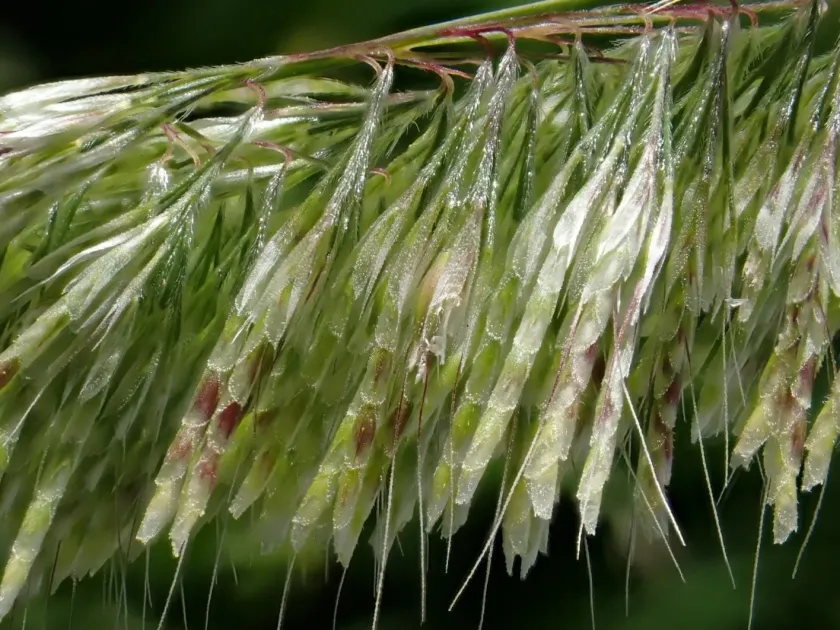
Description
Sowing dates
Sowing of Lamarckia aurea is typically conducted in early spring, as soon as the soil has warmed sufficiently. The ideal time for planting is between late April and mid-May, depending on the specific climatic zone of the region.
Seeds should be sown shallowly, as they require a certain amount of light to germinate effectively. A covering of soil no thicker than 0.5 centimeters is recommended, followed by gentle irrigation to ensure consistent soil moisture.
For uniform stand density, seeds are often broadcast or sown in rows spaced 20 centimeters apart. This spacing allows each plant enough room to develop its characteristic golden, plume-like inflorescences without competing for sunlight.
If started indoors, seeds should be sown in modular trays during March. Transplanting to the final location must be delayed until the risk of late spring frosts has completely passed, as young seedlings are sensitive to sudden cold snaps.
To maximize germination success, ensure that the sowing site is cleared of weeds beforehand. As a fine-seeded grass, Lamarckia aurea can struggle to compete with aggressive weeds during its early seedling stages.
Growing requirements
Lamarckia aurea is an ornamental grass species that thrives in full sun. Exposure to direct sunlight is crucial for the development of its signature metallic-golden hue, which turns paler if the plant is grown in shaded areas.
The preferred soil type is light, well-draining, and sandy. The plant is highly sensitive to waterlogging; therefore, heavy clay soils must be amended with organic matter or grit to prevent the roots from rotting during wet seasons.
Watering should be managed carefully. While the grass possesses moderate drought tolerance once established, regular irrigation during the formation of the panicles is necessary to maintain the structural integrity and vibrant color of the stalks.
The optimal temperature range for the active growth phase is between 20 and 25 degrees Celsius. The plant performs best in sheltered areas that are protected from strong, drying winds, which can damage the delicate ornamental plumes.
Fertilization should be kept to a minimum. Nitrogen-rich fertilizers often result in leggy, weak plants that are prone to lodging. A light application of a balanced, low-nitrogen fertilizer at the start of the season is usually sufficient.
Main diseases and pests
Fungal diseases are the primary threat to the health of the plant, especially in high-humidity climates. Root rot can occur if soil drainage is inadequate, leading to the rapid yellowing and wilting of the foliage.
Powdery mildew is a common foliage issue, typically appearing when there is poor air circulation between individual plants. Maintaining proper spacing and ensuring the site is open helps to mitigate this risk significantly.
Aphids are the most common insect pest for this grass, frequently infesting the developing inflorescences. If a population surge occurs, insecticidal soaps or neem oil treatments are generally effective at controlling the pest.
Spider mites may affect the plants during prolonged heatwaves or periods of extreme drought. The most effective cultural control method is periodic misting of the plants, which increases humidity and makes the environment unfavorable for mites.
Slugs and snails can cause considerable damage to young, tender sprouts shortly after emergence. Physical barriers, such as copper tape or crushed eggshells, are commonly used in garden settings to protect the seedlings from these mollusks.
Harvesting
Harvesting Lamarckia aurea is primarily done for decorative purposes, such as dried flower arrangements or floral displays. The optimal time for harvest is when the inflorescences are fully developed but have not yet begun to shed their seeds.
For dried arrangements, the stalks should be cut in the morning after the dew has evaporated. This ensures that the plant tissue is at its peak quality, which helps retain the golden color during the drying process.
Once cut, the stalks should be bundled loosely and hung upside down in a cool, dark, and well-ventilated area. This prevents mold growth and allows the plumes to dry without becoming misshapen or losing their vibrancy.
The drying process usually takes between one to two weeks, depending on ambient humidity. Proper drying is essential to ensure that the material is long-lasting and resistant to shattering in decorative containers.
After the harvest, any remaining crop residues in the garden should be removed or incorporated into the soil. As an annual, the plant completes its life cycle after seed set, and clearing the bed prevents the accumulation of old plant debris.