
Ichnanthus pallens
Ichnanthus pallens
Description
Growing requirements
Ichnanthus pallens is a perennial grass species belonging to the Poaceae family. Native to tropical regions of the Americas, this plant is commonly found in moist forest understories and along riverbanks, showcasing its resilience in shaded environments.
The species is primarily adapted to tropical climates characterized by high annual precipitation and consistent temperatures. Unlike many commercial grasses that require direct sunlight, this species thrives in moderate shade, making it a unique component of biodiversity in tropical ecosystems.
Regarding soil requirements, it prefers well-drained, fertile substrates that retain enough moisture to support its rapid vegetative growth. It performs best in soils with a slightly acidic to neutral pH level, avoiding areas prone to prolonged flooding or deep compaction.
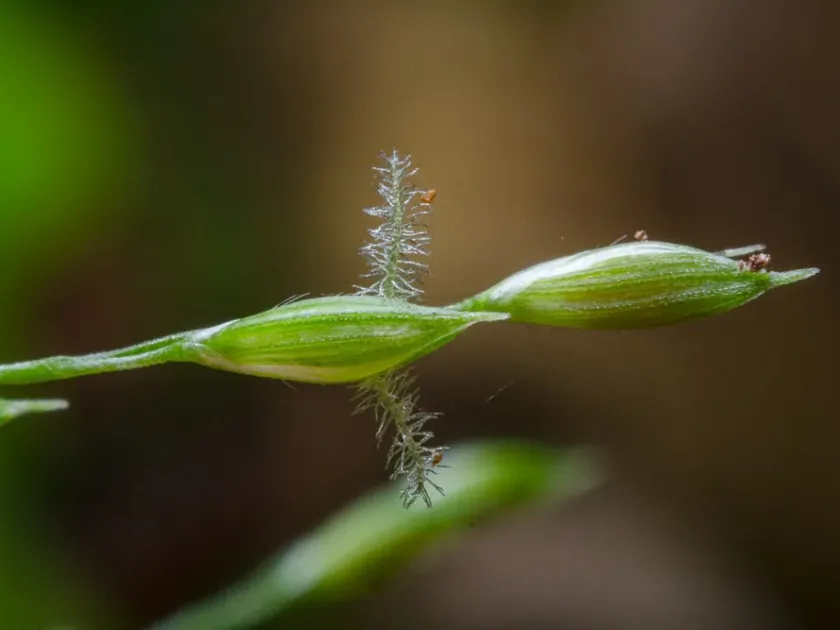
Botanically, Ichnanthus pallens is characterized by creeping or decumbent stems that root at the nodes, allowing the plant to spread horizontally across the forest floor or open gaps. The leaves are typically lanceolate, and the inflorescence consists of panicles that are diagnostic for its taxonomic identification.
In terms of agricultural utility, it serves mainly as a forage source in tropical silvopastoral systems. It is grazed by livestock in its natural range, contributing to the available biomass in pastures where light-demanding grasses may struggle to establish effectively.