
Hyparrhenia sinaica
Hyparrhenia sinaica
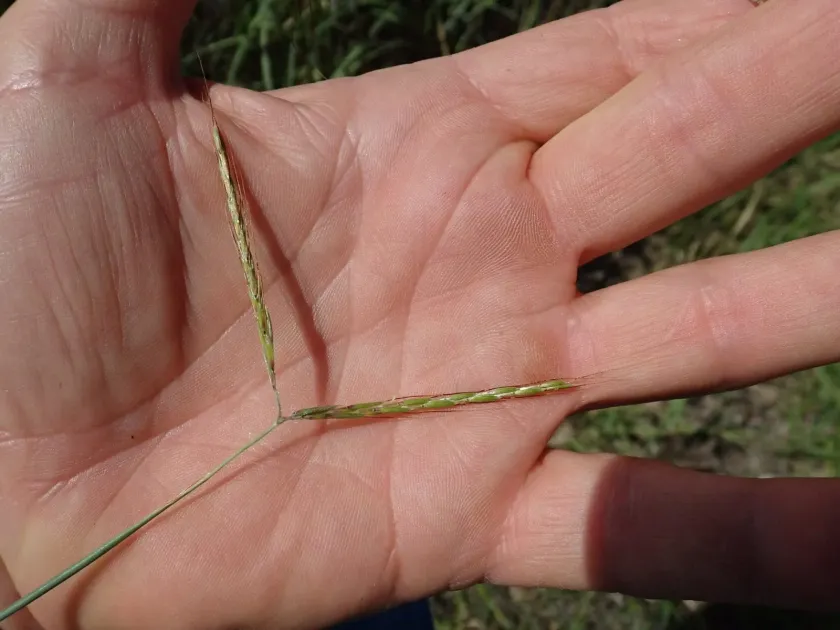
Description
Growing requirements
Hyparrhenia sinaica is a perennial grass species belonging to the Poaceae family. It is natively distributed across arid and semi-arid regions of the Middle East and North Africa, where it plays a significant role in maintaining the vegetation cover of desert ecosystems.
Botanically, this species is characterized by its high drought resistance and efficient water-use strategy. It features a deep-reaching root system capable of accessing subsurface moisture, allowing the plant to remain green even during prolonged dry spells.
Regarding soil requirements, this grass thrives in well-drained, sandy, or rocky soils. It is intolerant of waterlogging and prefers substrates with a neutral to slightly alkaline reaction, typical of the arid environments where it naturally propagates.
Climate adaptability is the defining trait of Hyparrhenia sinaica. It requires high levels of solar radiation and is capable of withstanding extreme daytime temperatures without succumbing to thermal stress, which is a limiting factor for most standard agricultural grasses.
In terms of agricultural utility, this species serves as a vital forage resource for livestock in regions where conventional crops cannot survive. Its presence is essential for sustaining local pastoralism and preventing soil erosion in fragile desert landscapes.
Main diseases and pests
Like many wild grass species, Hyparrhenia sinaica is susceptible to root pathogens if the soil conditions become overly moist. Proper drainage management is the primary agronomic method to prevent the development of root and crown rot in agricultural settings.
Pest pressure is primarily driven by desert-dwelling insects, such as locusts and various beetles, which can consume large amounts of foliage. During dry years, these pests can cause significant defoliation, affecting both the biomass yield and the plant's long-term health.
Prevention of disease outbreaks centers on maintaining an appropriate planting density. Sufficient space between individual bunches of grass encourages better air circulation, which reduces the local humidity levels that favor fungal spore germination.
Integrated pest management (IPM) is the recommended approach for this culture. By encouraging natural predators of grass-eating insects and using careful monitoring, growers can manage pest populations without the overuse of chemical pesticides.
Finally, field sanitation—removing significantly diseased plants and maintaining the overall health of the ecosystem—remains the most effective strategy for ensuring the long-term productivity of Hyparrhenia sinaica stands.