
Hybrid ryegrass
Lolium boucheanum
Description
Sowing dates
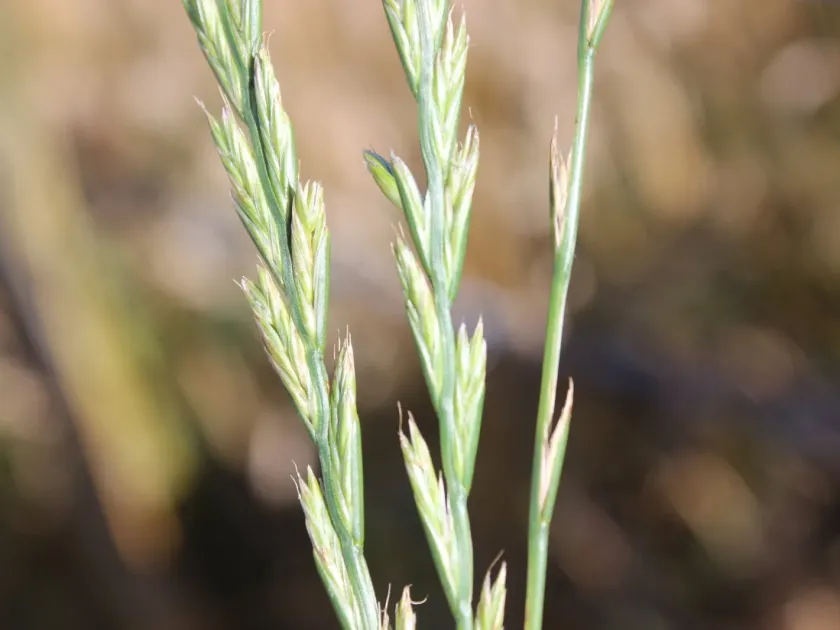
Hybrid ryegrass (Lolium × boucheanum) is a valuable forage crop belonging to the Poaceae family, resulting from a cross between perennial ryegrass and Italian ryegrass. It effectively combines the persistence of the perennial parent with the rapid growth rate and high dry matter production of the Italian variety, making it a cornerstone for intensive dairy and livestock farming.
The optimal sowing time for hybrid ryegrass is during early spring or late summer. Spring planting is preferred for ensuring strong root establishment before summer heat stress begins. When planting in late summer, it is critical to ensure soil moisture is sufficient to support germination, as the seeds require consistent hydration to establish a dense, productive sward.
Growing requirements
This crop thrives in fertile, well-drained loam and silt-loam soils with high organic matter content. It is sensitive to soil acidity and performs best at a neutral pH. Hybrid ryegrass is not particularly drought-tolerant; therefore, it is best suited for regions with reliable rainfall or under irrigation systems to maintain consistent vegetative growth throughout the season.
Agronomic management requires a well-structured fertilization program, particularly nitrogen, to maximize biomass. Ryegrass is highly responsive to split applications of fertilizer after each harvest. Weed control is essential during the establishment phase, as the crop is initially slow to compete with aggressive annual weeds until it achieves full canopy cover.
Yield
Hybrid ryegrass is known for its high yield potential and rapid regrowth capability after defoliation. Depending on environmental conditions and nitrogen inputs, it can produce multiple harvests annually. The nutritional quality is excellent, characterized by high concentrations of water-soluble carbohydrates and protein, which are essential for meeting the energy requirements of high-producing dairy herds.
Main diseases and pests
Common diseases affecting this crop include crown rust and various fungal leaf spot pathogens, which often proliferate in humid conditions and dense stands. Integrated pest management should be used to monitor for aphids and stem borers, which can damage seedlings. Selecting resistant varieties is the primary strategy for minimizing the impact of these agricultural challenges.
Harvesting
The timing of the harvest is crucial to maintain high feed quality. It is typically harvested in the early heading stage for silage or hay production to balance yield and nutritional value. For pasture use, rotational grazing is recommended to ensure even recovery and prevent overgrazing. Effective management allows the sward to remain productive for several years depending on regional climate.