
Hyparrhenia cymbaria
Hyparrhenia cymbaria
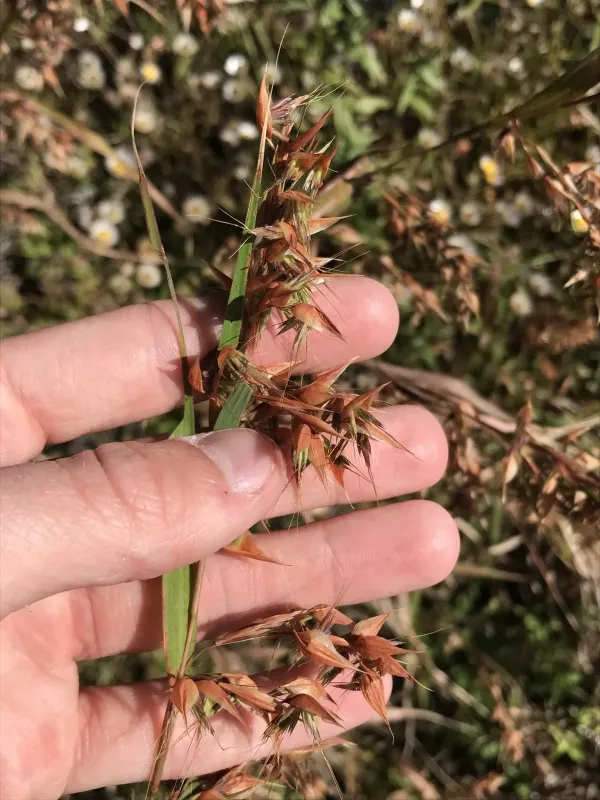
Description
Sowing dates
Hyparrhenia cymbaria is typically sown at the beginning of the rainy season to ensure sufficient moisture for germination. Success depends on the soil temperature being high enough to stimulate rapid initial growth of the seedlings.
The seeds are relatively small, requiring shallow sowing methods. Broadcasting the seeds followed by a light soil covering or shallow incorporation usually yields the best results in tropical field conditions.
Land preparation involves clearing existing vegetation, especially perennial weeds that could compete with the establishing grass. A well-prepared seedbed significantly increases the chances of uniform stand establishment.
Following the seeding process, rolling the field helps maximize seed-to-soil contact. This is particularly crucial in sandy soils where moisture retention at the surface is prone to rapid loss.
Effective spacing between rows or uniform broadcasting is essential to prevent overcrowding. Proper density allows each plant to develop a healthy root system, which is vital for the longevity of the perennial stand.
Growing requirements
As a member of the Poaceae family, Hyparrhenia cymbaria is well-adapted to the environmental conditions of African savannas. It thrives in tropical climates characterized by distinct wet and dry seasons.
The grass is highly tolerant of acidic and nutrient-poor soils, making it an excellent candidate for agricultural land that might not support more demanding crops. It requires full sunlight to achieve maximum growth potential.
Proper drainage is a primary requirement for this species. While it can handle periods of rain, stagnant water in the root zone can lead to severe physiological stress and susceptibility to fungal infections.
Temperature sensitivity is an important factor, with optimal growth occurring between 20 and 30 degrees Celsius. Exposure to frost or sustained cold weather is generally detrimental and can kill the plants.
Although it can survive in poorer soils, fertilization with nitrogen can substantially boost biomass production. The grass is also known for its deep root system, which helps in efficient moisture extraction during dry spells.
Yield
The productivity of Hyparrhenia cymbaria is largely governed by harvesting frequency and soil management practices. Under optimal conditions, the grass displays a robust growth habit throughout the year.
Yields of dry matter typically range from 5 to 12 tons per hectare depending on rainfall and fertilization. Frequent cutting or grazing can stimulate additional tillering, potentially increasing the total harvestable biomass.
Nutritional value is highest before the flowering phase. As the plant matures, the percentage of structural carbohydrates like lignin increases, which can decrease the overall digestibility of the forage for livestock.
The crop is highly valued in pastoral systems, where it serves as a reliable source of green forage. It responds well to controlled rotational grazing, which prevents overgrazing and keeps the plants in a vegetative state.
Strategic nitrogen applications during the rainy season are recommended to maximize the yield of fresh green biomass. This approach ensures a steady supply of fodder during the peak growing months.
Main diseases and pests
Fungal diseases such as rusts are the primary threats, especially in areas with high atmospheric humidity. These pathogens primarily attack the leaves, reducing both yield and the quality of the forage.
Insect pests, including stem borers and leafhoppers, can cause significant damage to young plants. Cultural practices, such as removing crop residues, are effective methods of mitigating these pest populations.
Parasitic plants like Striga pose a significant threat to many tropical grasses. They anchor onto the roots of the host, depriving it of essential nutrients and potentially causing complete crop failure in severe cases.
Root rot caused by excessive soil moisture can occur if field drainage is inadequate. Managing water flow and maintaining proper soil structure are key preventive measures against soil-borne pathogens.
Integrated pest management strategies focusing on resistant varieties and crop rotation help maintain healthy fields. Regular monitoring ensures early detection of potential threats before they become widespread.
Harvesting
Harvesting for hay should ideally occur at the onset of flowering. This timing captures the best balance between biomass weight and the concentration of crude protein necessary for livestock nutrition.
Hay must be dried quickly after cutting to prevent mold growth in the humid tropical environment. Using mechanical balers and ventilated storage sheds helps preserve the feed quality over longer periods.
Seed harvesting requires careful timing, as the seeds on a single panicle may mature unevenly. Growers often monitor the field closely to capture the seeds before they shatter and fall to the ground.
Post-harvest management involves cleaning the field of debris, which minimizes the buildup of pathogens and provides a clean environment for the next cycle of growth or regrowth.
Mechanization of the harvesting process is a vital aspect of commercial farming. Efficient equipment reduces the time required for field operations, ensuring that the harvest is completed during the optimal nutritional window.